
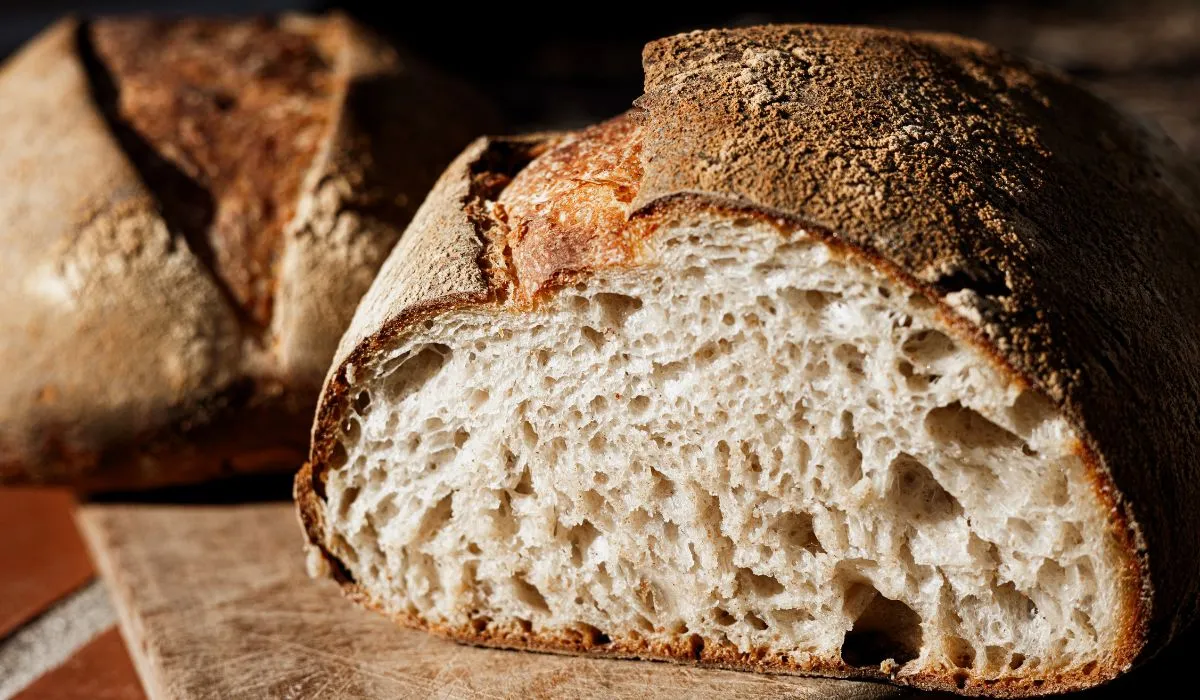
You’re standing in the bread aisle, staring at a gorgeous crusty sourdough loaf, and your brain goes “wait, am I even allowed to eat this anymore?” Good news: yes. Eat the bread. Sourdough is safe during pregnancy, and it’s honestly one of the smarter picks you could make. Let’s get into why.
Table of Contents
So What’s the Deal With Sourdough, Anyway?
You know that tang it has? That slightly sour bite, the crackly crust? That’s fermentation doing its thing. No packaged yeast here — sourdough uses a starter, which is basically a jar of wild yeast and bacteria that’s been slowly, patiently working through flour and water, sometimes for hours on end. It’s bread the old-fashioned way. Slow, a little unpredictable, and honestly kind of magical if you think about it too long.
Here’s the part that actually matters for you right now. That long fermentation breaks down phytic acid, a compound naturally sitting in flour. Phytic acid isn’t dangerous, but it’s annoying — it grabs onto minerals like iron, zinc, and magnesium and makes them harder for your body to absorb. And of course, those are exactly the minerals your body is begging for these days. Less phytic acid means more of that good stuff actually gets into your bloodstream instead of passing on through.
Why It’s Worth Reaching For
There’s real substance behind this, not just bakery marketing. Sourdough runs lower on the glycemic index than white or regular wheat bread, so your blood sugar doesn’t spike and crash the way it might otherwise. That’s a genuinely nice thing to have on your side when your hormones are already messing with blood sugar regulation.
It also just sits better. The fermentation gets a head start on breaking down starches and proteins before you even take a bite, so bread that used to leave you feeling heavy might not anymore. And since your body’s absorbing more minerals, you’re quietly getting a bit more out of your iron and folate too — both pulling serious weight for you right now.
Is it a superfood? No, let’s not get carried away. But as bread goes? It’s a genuinely good one.
What to Actually Keep an Eye On
Here’s where the questions usually pile up, so let’s clear a few things.
Alcohol. Yes, fermentation makes trace amounts of it. It’s a fair thing to wonder about, honestly. But we’re talking less alcohol than what’s naturally sitting in a ripe banana, and most of it burns off in the oven anyway. Nothing suggests this is risky. If you’d rather skip it anyway, totally fine, that’s your call and nobody’s judging.
Gluten. If you’ve got celiac or a real gluten intolerance, don’t assume sourdough is your workaround. Fermentation reduces gluten, it doesn’t wipe it out. You’d need a proper gluten-free sourdough for that.
Here’s the sneaky one, though. Not every “sourdough” on a grocery shelf actually went through real fermentation. Some brands just splash in vinegar or citric acid for that sour taste and let regular commercial yeast do the heavy lifting. Looks the same, tastes kind of similar, but you’re missing out on the actual benefits. Check the label — if it doesn’t mention a starter or levain, it’s probably faking it.
Also worth a glance: seeds, dried fruit, or flavor add-ins if you’re watching sodium or sugar. And the basics still apply no matter what — make sure it’s fully baked, and if you’re baking at home, don’t go tasting the raw dough. Raw flour can carry bacteria just like anything else.
A Couple Tips While You’re At It
Look for the word “starter” or “levain” on the label, not just “sourdough.” Grab whole grain when you can, it stacks even more fiber and nutrients on top of what fermentation already gives you. And pair a slice with something protein-rich, eggs, nut butter, whatever’s around, to keep things steady instead of spiking.
Biggest mistake people make? Assuming all sourdough is the same. It’s not, not even close. A real bakery loaf and a mass-produced “sourdough-style” one from the supermarket can be worlds apart nutritionally. Read the label. Don’t just trust the name.
Frequently Asked Questions
Can I eat sourdough every day while pregnant?
Yep, totally fine for most women as part of a balanced diet. Just mix in other whole grains here and there too.
Does sourdough have probiotics?
Sadly, no, not by the time it’s baked. The heat kills off the live bacteria from the starter, so it’s not a probiotic food like yogurt is. You still get the digestive perks from fermentation, just not live cultures.
Is sourdough better than whole wheat for pregnancy?
Honestly, whole wheat sourdough might be the best of both worlds — the fiber of a whole grain, plus the easier digestion fermentation gives you.
Will it help with pregnancy constipation?
Might help a little, since it’s easier to digest. Won’t replace actually getting enough fiber and water though.
Can I bake it myself while pregnant?
Go for it. Just skip the raw dough taste-test and make sure it’s baked all the way through. Homemade means you know exactly what’s in it, which is kind of nice.