
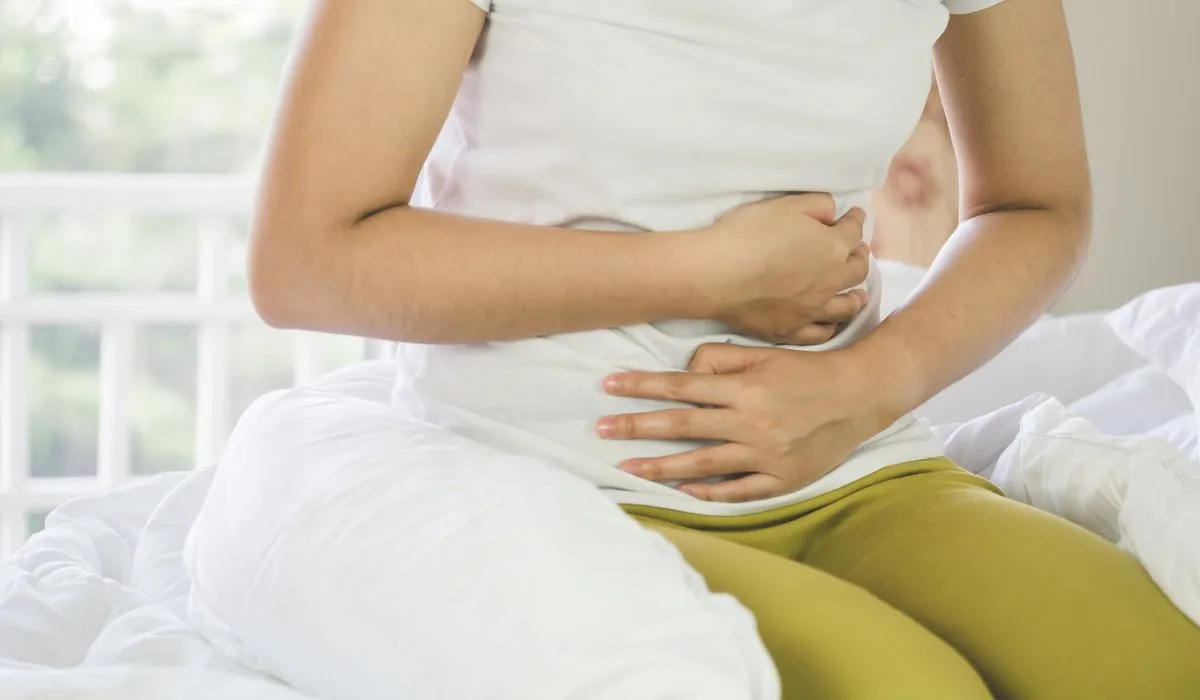
You’re six weeks pregnant, you felt a weird twinge in your stomach, and now you’re here, googling it at 11pm. Sound about right? Good news first: most stomach pain this early is just your body doing its thing — stretching, adjusting, figuring out how to grow a person. The exception is sharp, one-sided pain, or pain with bleeding or dizziness. That combination means call your doctor, not Google.
Let’s be real for a second. Nobody warns you how many little aches and pains come with early pregnancy, or how much they mess with your head. One minute you’re fine, the next you’re lying awake wondering if that pull in your side is normal or a sign something’s wrong. If that’s you right now, take a breath. This happens to almost everyone in those first few weeks. Let’s walk through what’s usually going on, and how you’ll actually know if it’s something more.
Why Your Stomach Might Be Acting Up
Here’s what’s wild about week six: you can’t see any of it happening, but your body is already doing a lot. Your uterus is growing. Your hormones are climbing fast. Everything is rearranging itself around this pregnancy, and some of that is bound to show up as discomfort in your belly.
A lot of it comes down to round ligament stretching. Those ligaments holding your uterus in place start lengthening almost right away, and that can feel like a mild pull or cramp, usually just on one side. You’ll probably notice it most when you stand up too fast or twist a certain way — it’s a bit like tweaking a muscle you didn’t know you had.
Some women also get mild cramping just from the uterus settling in. It tends to feel a lot like period cramps — mild, brief, not something that builds or hangs around.
Then there’s digestion, which honestly deserves more blame than it gets. Progesterone slows everything down in there, and while that’s great for the pregnancy, it’s not so great for you. Bloating, gas, and constipation show up fast, and trapped gas in particular can cause a jab of pain that feels way more dramatic than it actually is. (Ask anyone who’s clutched their stomach in a panic only to realize it was, in fact, just gas.)
You could also be dealing with a corpus luteum cyst — a small cyst that forms after ovulation and quietly makes hormones to support the pregnancy until the placenta takes over. It can cause a dull ache on one side of your lower belly. Sounds scary, isn’t. It’s a normal, temporary part of early pregnancy.
And don’t underestimate stress. Early pregnancy comes loaded with emotion, and tension has a sneaky way of settling right into your stomach and lower back. This kind of ache usually eases up with rest, slower breathing, and a bit of reassurance that what you’re feeling is normal.
When It’s More Than Just “Normal”
Most cramping at this stage is harmless. But every so often, your body really is trying to flag something, and that’s not the moment to shrug it off. According to ACOG (the American College of Obstetricians and Gynecologists), call your provider right away if the pain is severe or stuck on one side and isn’t letting up, if you’re bleeding heavily or passing clots, if you feel dizzy, faint, or notice your heart racing, if there’s fever or chills with it, or if it just keeps getting worse instead of better.
Those signs can point to something like an ectopic pregnancy or a miscarriage, and both need to be looked at quickly. If your gut is telling you something’s off, listen to it. Worst case, you get checked and hear “you’re totally fine” — which honestly, is a pretty great worst case.
What Actually Helps With the Everyday Aches
For the milder stuff — the kind that’s annoying but not scary — a few small habits go a long way. Rest on your side instead of your back. Sip water steadily through the day so bloating and constipation don’t sneak up on you. Smaller, more frequent meals tend to sit better than three big ones, and adding fiber gradually can take a lot of pressure off your gut. A warm (not hot) compress can take the edge off a mild cramp, and moving a little slower when you change position spares those stretching ligaments some irritation.
Nutrition matters more here than people think. A diet with steady fiber, plenty of fluids, and key nutrients like folic acid and DHA isn’t just about your baby’s development — it genuinely makes your day-to-day comfort easier too.
A few things to skip: don’t ignore pain that’s clearly getting worse, and don’t reach for pain meds without checking with your provider first. Try not to wave off every ache as “just normal” either — if bleeding shows up alongside it, that combination matters. And when you’re queasy, resist the urge to just stop eating. An empty stomach usually makes bloating and cramping worse, not better.
FAQ: Stomach Pain at 6 Weeks Pregnant
Is mild cramping at 6 weeks pregnant normal?
Yes. Mild, short-lived cramping without heavy bleeding is common as the uterus and ligaments adjust.
When should I worry about stomach pain in early pregnancy?
Worry if the pain is severe, one-sided, or comes with heavy bleeding, dizziness, or fever — these need urgent medical care.
Can gas and bloating cause sharp pain at 6 weeks pregnant?
Yes. Pregnancy hormones slow digestion, and trapped gas can cause surprisingly sharp, short bursts of pain.
Does stomach pain at 6 weeks mean miscarriage?
Not usually. Most cramping is normal, but pain paired with heavy bleeding or worsening symptoms should be checked by a doctor right away.
Can stress cause stomach pain in early pregnancy?
Yes. Anxiety and tension can contribute to stomach discomfort, and relaxation techniques often help ease it.