
one of the most unsettling things about high blood pressure is that it usually doesn’t give you a heads-up. You could feel completely fine — great, even — and still be walking around with numbers that are quietly straining your heart. That’s the whole reason doctors nicknamed it the “silent killer.” It doesn’t announce itself. It just settles in and does its damage in the background, sometimes for years, while you have absolutely no reason to suspect anything’s wrong.
Table of Contents
If you clicked on this because you’re wondering “wait, would I even know if I had it?” — I get why you’re asking, and the honest answer is: probably not, at least not at first. But there are a handful of subtle clues your body sometimes does give off, and it’s worth knowing what they look like. So let’s talk through them.
Why It’s So Easy to Miss
Think about your average Tuesday. You’re making coffee, answering emails, maybe folding laundry — and your blood pressure could be sitting at a level that’s genuinely straining your heart, with zero outward sign of it. That’s just how sneaky this condition is. Nearly half of adults in the U.S. have high blood pressure, and a huge share of them have no clue. The only real way to find out is to actually measure it — at the doctor’s office, at a pharmacy kiosk, or with a cuff at home.
Now, once blood pressure climbs high enough and stays there long enough, your body sometimes does start dropping hints. Here’s what to watch for.
The Subtle Signs Worth Noticing
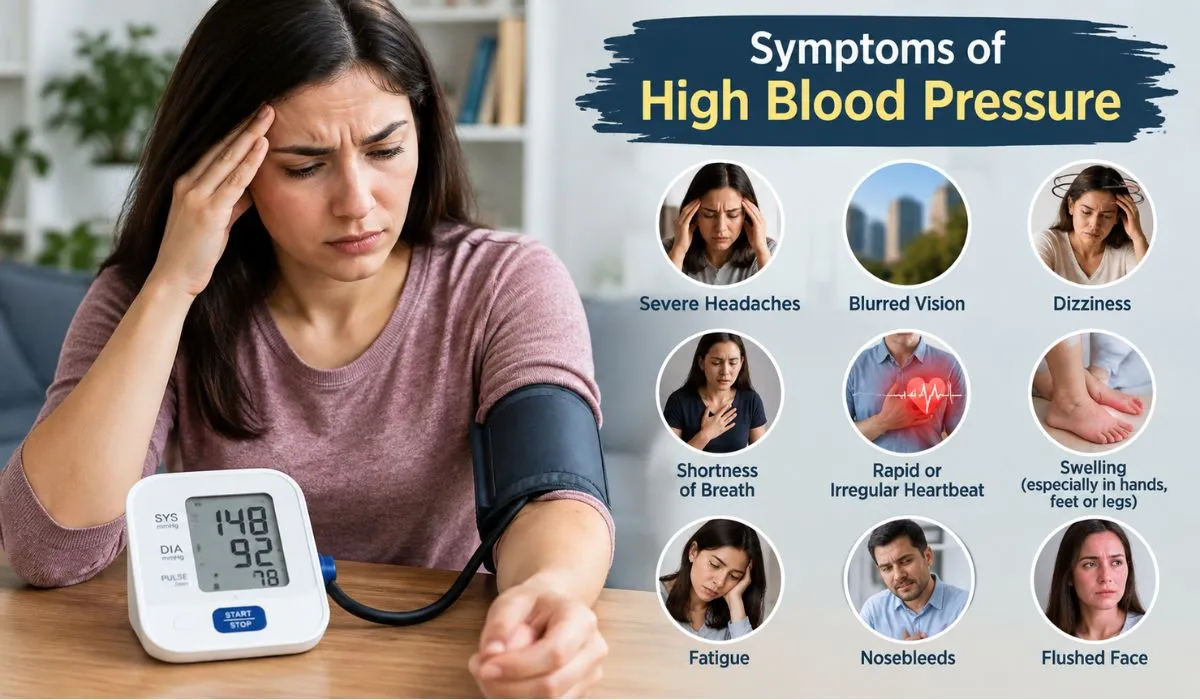
You’re just… tired. All the time. For no clear reason. When your blood pressure is elevated, your heart has to work harder to push blood around your body — and that extra effort adds up. You might feel worn out, a little more winded than usual, or find yourself huffing and puffing over things that used to be nothing, like a walk to the mailbox. It’s so easy to blame this on “I’m just getting older” or “it’s been a long week.” But if that tiredness sticks around, don’t just shrug it off — mention it to your doctor.
Headaches that feel different somehow. Most of us get headaches from stress, screens, dehydration, you name it. But if one shows up that feels unusually intense, or it’s paired with any of the other symptoms below, that’s your cue to pay closer attention instead of just popping a painkiller and carrying on.
Dizziness that comes out of nowhere. A little lightheadedness once in a while is normal enough. But dizziness that hits suddenly, especially if it comes with trouble walking straight or keeping your balance, is worth taking seriously — that combo can sometimes be a sign of something as serious as a stroke.
Tiny red spots in your eyes. This one genuinely surprises people. A blood vessel can burst in the eye and leave a small red mark — and honestly, your eye doctor is way more likely to catch this than you are on your own in the mirror. It happens more often in people with high blood pressure or diabetes, which is a solid reminder that those yearly eye exams aren’t just about your glasses prescription.
Nosebleeds, a racing or pounding heart, flushed cheeks. These aren’t the typical face of high blood pressure day-to-day, but they can show up when your numbers spike especially high.
When It Turns Into a “Call 911” Situation
There’s a big difference between “I’ll bring this up at my next appointment” and “I need help right now.” A hypertensive emergency happens when blood pressure shoots above roughly 180/120 mm Hg and you’re also dealing with things like:
- Chest pain
- Shortness of breath
- Sudden, severe back pain
- Numbness or weakness, especially on just one side of your body
- Sudden vision changes
- Confusion or trouble getting words out
If that’s happening to you or someone near you, please don’t wait to see if it passes — get emergency help. And if you’re pregnant, that line moves even earlier: a reading of 160/110 with symptoms deserves the exact same urgency.
Since You Usually Can’t Feel It, Checking Is Really Everything
Because symptoms are the exception here, not the rule, the only way to actually know where you stand is to get your numbers checked. A healthy reading is below 120/80 mm Hg. Once your top number hits 130, or your bottom number hits 80, most U.S. guidelines call that hypertension. Getting checked at least once a year — more often if you’ve got things stacked against you, like a family history of high blood pressure, a diet that leans pretty salty, not a lot of movement in your day, or some extra weight — will tell you way more than trying to “feel” your way to an answer.
And here’s the part that should actually make you feel better: high blood pressure is very manageable once you know it’s there. Small, steady changes — getting your body moving most days, easing up on the salt, actually sleeping enough, cutting back on alcohol — can bring your numbers down over time, sometimes without medication at all. And if your doctor does end up recommending medication, that’s not a failure on your part. It’s just one more tool working in your favor to protect your heart for the long run.
The Bottom Line
Most of the time, high blood pressure just doesn’t say anything. And when it does speak up, the clues — fatigue, headaches, dizziness, changes in your eyes — are so easy to write off as something else entirely. So instead of waiting around to feel something, the smartest thing you can do is know your numbers, check them regularly, and reach out to your health care provider the moment something feels a little off.
Frequently Asked Questions
Can you actually feel high blood pressure?
Most people can’t — it usually causes zero symptoms. That’s exactly why checking your numbers matters so much more than trying to guess based on how you feel.
What does a dangerously high reading actually feel like?
It might not feel like anything at all, honestly. But when symptoms do show up at very high levels, they can include a severe headache, chest pain, shortness of breath, or sudden vision changes.
How often should I really be getting my blood pressure checked?
Most adults should get checked at least once a year, and more often if you’re over 40 or have other risk factors working against you.
Is dizziness always tied to blood pressure?
Not always — but sudden dizziness paired with balance trouble or weakness deserves a prompt check, since it can also be a stroke warning sign.
Does high blood pressure look different during pregnancy?
It can behave a bit differently, and the emergency threshold drops lower — a reading of 160/110 along with symptoms calls for immediate medical attention.