

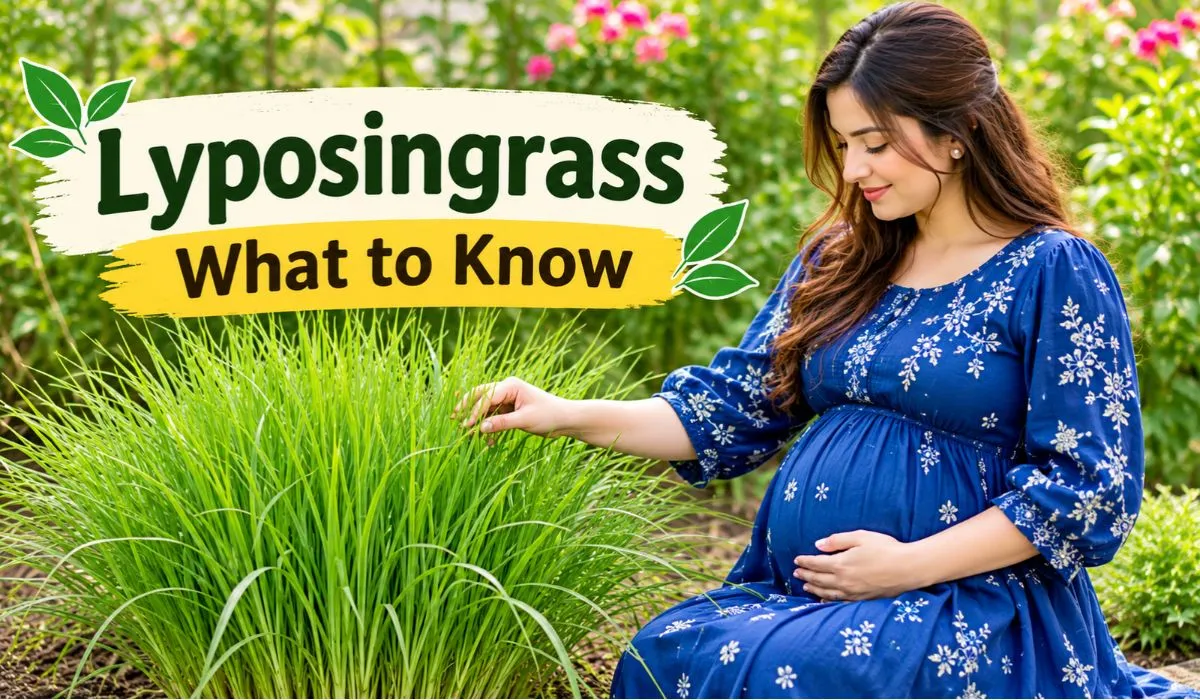
A friend of mine sent me a screenshot last month. It was a tea box with a bright green label and one word in curly letters: lyposingrass. “Is this okay while I’m pregnant?” she asked. I had no idea what to tell her. I’d never seen the word before, and when I started digging, I understood why she was confused.
Table of Contents
If you’ve landed here after seeing that name on a product, a blog post or a social media video, you’re probably in the same spot. Let’s work through it together.
So, what is lyposingrass?
Honestly, nobody can say for sure. The word doesn’t match any plant I can find in the usual botanical or medical references. It isn’t a recognised scientific name, and it doesn’t appear to be a standard herb with a clear history.
Online, people use it in very different ways. Some sites treat it as another name for lemongrass. Others link it to grass-like garden plants, and some just use it as a vague wellness label. Those aren’t the same thing at all.
Lemongrass is a real plant. It belongs to the Cymbopogon family, and you’ve probably eaten it in a soup or sipped it as tea. Liriope, sometimes called lilyturf, is something else entirely, and it’s mostly planted along garden borders. Calling either of them “lyposingrass” without proof is just guesswork.
So if a product carries this name, ignore the name for a minute. Turn the package over and look for the botanical name, the full ingredient list, and who actually makes it.
Why does everyone suddenly care about it?
I think it’s simply the mood of the moment. Plant-based remedies are everywhere right now, and a new, exotic-sounding word travels fast. People type it into a search bar because they want to know what they’re about to put in their body, which is a perfectly reasonable thing to want.
When you’re pregnant, that curiosity gets sharper. Your food choices suddenly feel like they matter more, and they do.
But a word being popular doesn’t make it proven. Before you believe any claim, ask a few simple questions. Does the source name the actual plant? Does it point to real research? Does it separate “people have traditionally used this” from “studies have shown this works”? And does it admit when the information is thin? The honest ones do.
Is lyposingrass safe during pregnancy?
Right now, there isn’t enough reliable information to say.
The core problem is that nobody knows what’s inside. If the identity of the ingredient is a mystery, there’s no way to judge how much is too much, what side effects to watch for, or whether it clashes with your prenatal vitamins or other medicines.
That’s why caution makes sense here. The NHS notes that not every herbal or complementary product is safe in pregnancy, and some products contain ingredients that aren’t clearly listed. The NIH Office of Dietary Supplements also points out that good evidence on many botanical ingredients in pregnancy is limited.
“Natural” doesn’t mean “harmless.” Plenty of plants are powerful enough to affect the body, which is exactly why some are avoided in pregnancy. So don’t let words like gentle, herbal or plant-based talk you into it.
If you already have a lyposingrass product at home, take the box and the ingredient list to your doctor, midwife or pharmacist before you use it. They see questions like this all the time, and nobody will think it’s silly.
Does it actually do anything good for you?
You’ll find claims. Better digestion, weight loss, balanced hormones, a “detox,” even help for pregnancy. But I couldn’t find any solid scientific evidence that something sold under this exact name does any of those things.
It helps to see why. Researchers have studied compounds in real lemongrass, for example. That’s research on a known plant. It can’t be borrowed for a mystery product just because the names look a bit alike. Until someone confirms what’s in the package, those studies don’t apply to it.
For you and your baby, steady and well-tested nutrition will do far more than any trendy herb. There’s no shortcut that beats it.
What to check before you try any herbal product
You don’t need a science degree for this. A few habits go a long way.
Start with the plant’s scientific name. A trustworthy product tells you exactly what it contains, not just a catchy brand word. That one detail tells you whether you’re looking at an edible herb or something meant for a garden bed.
Then read the whole ingredient list, not only the front of the box. Many products are blends, with extracts, flavourings, added vitamins and other herbs tucked in. The headline ingredient may be the least of your worries.
Be wary of big promises, too. Fast weight loss, hormone balancing, guaranteed fertility or pregnancy benefits should make you step back. A slick description isn’t evidence.
Next, tell a healthcare professional what you’re thinking of taking. This matters even more if you’re already on prenatal vitamins, prescription medicine, or a supplement for something like low iron.
Finally, remember that no herbal drink or powder replaces a balanced diet or your regular prenatal care. At best it’s an extra, and at worst it gets in the way.
What actually helps your nutrition in pregnancy
Rather than chasing products with a murky label, put your energy into the things we know matter.
Folate is a big one. It supports the early development of your baby’s brain and spinal cord, which is why folic acid is recommended in early pregnancy. Iron helps your body make haemoglobin and keep up with the extra demand pregnancy brings. Calcium builds your baby’s bones and teeth while looking after your own.
Protein matters for growth, and it’s easy to find in eggs, poultry, beans, lentils and dairy. Omega-3 fats from low-mercury fish and other suitable foods round out the picture.
Everyone’s needs are a little different, so your doctor or midwife can tell you whether you need extra supplements. And if you’d like more everyday guidance on eating through each trimester, you’ll find it in the pregnancy nutrition guides at Nutriprenatal.
Questions people keep asking
Is lyposingrass a real plant?
There’s no clearly confirmed botanical identity for it in recognised scientific sources. Different websites use the word differently, so check what a specific product actually contains before assuming it’s one particular plant.
Is it the same as lemongrass?
Not necessarily. Some online sources link them, but lyposingrass isn’t an accepted synonym. True lemongrass belongs to the Cymbopogon genus.
Can I drink lyposingrass tea while pregnant?
Nobody can say it’s safe without knowing what’s in it. It’s best to avoid unidentified herbal products and speak to a healthcare professional first.
Will it help me lose weight?
There’s no reliable evidence for weight-loss benefits under this name. Be careful with anything promising dramatic fat-burning or detox results.
What if I’ve already used some?
Don’t panic. Look at the packaging, work out the full ingredients, and call your doctor, midwife or pharmacist, especially if you’re pregnant or breastfeeding. If you get a serious allergic reaction or other worrying symptoms, get urgent medical help.
Are natural herbal products always safe in pregnancy?
No. Natural ingredients can still affect the body, interact with medicines or carry risks. It depends on the ingredient, the amount, how it’s prepared and your own situation.
Final thoughts
Lyposingrass is a curious word, but what it refers to is still unclear. Some sites tie it to lemongrass and others to different plants, and there isn’t enough dependable evidence to call it one real ingredient.
If you’re pregnant, the safest move is to find out what’s actually in a product before it goes anywhere near your mouth. A balanced diet, the right prenatal supplements and good advice from your care team will always serve you better than the latest trend.
As for my friend with the tea box, she put it back in the cupboard and asked her midwife. Knowing what you’re putting in your body beats following a wellness fad every time.