
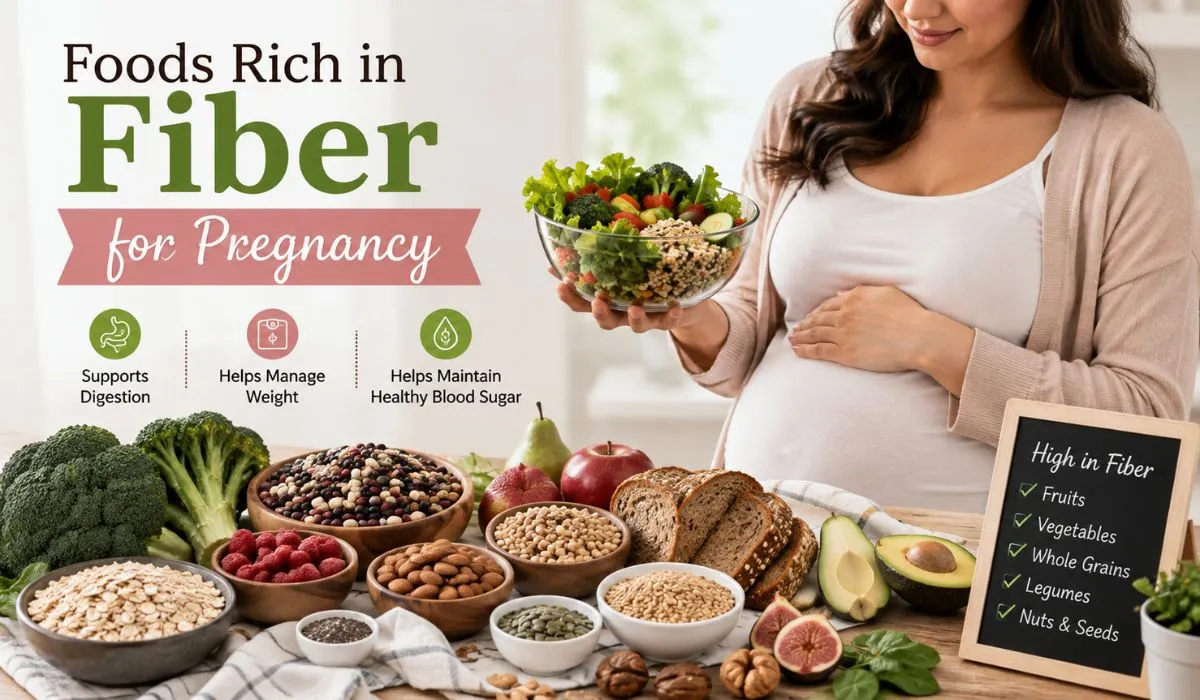
Somewhere between “you’re pregnant!” and the actual baby, someone should really sit you down and warn you about the constipation. Nobody does. You get the nausea talk, the cravings talk, maybe someone mentions your ankles. But the fact that your digestion might just… stop cooperating? That one sneaks up on almost everybody. The fix, thankfully, isn’t some special product or a pill from the pharmacy. It’s fiber. Boring, everyday fiber — lentils, oats, berries, avocado, leafy greens — and it works. It also happens to help keep your blood sugar steadier, which is a nice bonus nobody asked for but everybody appreciates. Most pregnant women need something like 25 to 30 grams a day. Sounds like homework until you realize a bowl of oatmeal and a handful of berries basically gets you a third of the way there before 9am.
Table of Contents
Why Your Gut Is Being So Difficult Right Now
Here’s the actual reason this is happening to you, and it’s not you doing anything wrong. Progesterone — one of the big pregnancy hormones — relaxes your digestive muscles on purpose. Your body’s trying to buy itself more time to absorb nutrients for the baby. Smart move, biologically speaking. Rough deal for you, personally. Later on, your uterus starts crowding your intestines too, and things get even slower. Constipation is genuinely one of the most common pregnancy complaints there is. You’re not broken. Your body’s just busy.
Fiber is the quiet fix for this. It bulks up your stool so things actually move, which honestly can take a shocking amount of misery off your day. And it’s doing more than that behind the scenes — it helps stabilize blood sugar (handy if gestational diabetes is a concern for you) and some research even ties it to healthier cholesterol and blood pressure during pregnancy.
The American College of Obstetricians and Gynecologists (ACOG) backs this up too — they point to a diet built around whole grains, fruits, vegetables, and legumes as one of the best things you can do for yourself and your baby right now. So yeah. Fiber sounds unglamorous. It’s doing a lot more than it gets credit for.
What to Actually Eat
You don’t need a meal plan with color-coded macros for this. Mostly it’s a few reliable staples, on repeat.
Lentils, chickpeas, black beans, kidney beans — legumes in general are your MVP here. They’re loaded with fiber and they bring along plant protein and iron too, both things you need more of anyway. One cup of cooked lentils gets you nearly halfway to your whole day’s fiber goal. From soup. That’s a good trade.
Whole grains are another easy one — oats over sugary cereal, brown rice over white, whole wheat bread instead of the fluffy white kind. Doesn’t require a special grocery run, just a different aisle.
Fruit’s your friend too. Pears, apples, raspberries, bananas — gentle on the stomach, easy to eat standing over the sink at 3pm when you’re starving for no reason. Quick tip: leave the skin on your apples and pears. Roughly doubles the fiber, costs you nothing. Vegetables like broccoli, carrots, spinach, and kale round it all out and bring folate with them too.
And don’t sleep on nuts, seeds, and avocado. A spoonful of chia or flax stirred into yogurt does more than you’d expect. Avocado gives you fiber and healthy fats that help your baby’s brain development. Hard to find a downside there.
Making This Actually Work Without Backfiring
If you go from basically no fiber to a ton of fiber overnight, you will regret it — bloating, gas, the works. Ease into it. One new food every few days, not a total overhaul on a Monday. And drink water. Genuinely, a lot of it — fiber without enough fluid can make constipation worse, which is the opposite of the point.
A short walk each day helps more than people expect. Movement and fiber just work well together. And if you’re on iron supplements — very common in pregnancy — fiber becomes even more important, since iron alone tends to be constipating.
One mistake worth avoiding: reaching for a fiber supplement instead of real food. Not that supplements are bad, exactly, but whole food brings extra stuff along — vitamins, antioxidants, minerals — that a powder just can’t replicate.
FAQ
How much fiber do I need per day during pregnancy?
About 25 to 30 grams daily — close to the general adult recommendation, but worth being intentional about given how common pregnancy constipation is.
Can too much fiber be harmful during pregnancy?
Adding too much too fast can leave you bloated or crampy. Build up gradually and keep the water flowing alongside it.
What are the best fiber-rich snacks for pregnancy?
Apple slices with peanut butter, a handful of almonds, roasted chickpeas, or a bowl of berries — easy, no-fuss ways to fit more in between meals.
Does fiber help with morning sickness?
Not directly, but steadier blood sugar from a fiber-rich diet can ease queasiness for some women, especially in the early weeks.
Are fiber supplements safe during pregnancy?
Generally yes, but food first is the better rule of thumb — check with your provider before adding a supplement on top.