
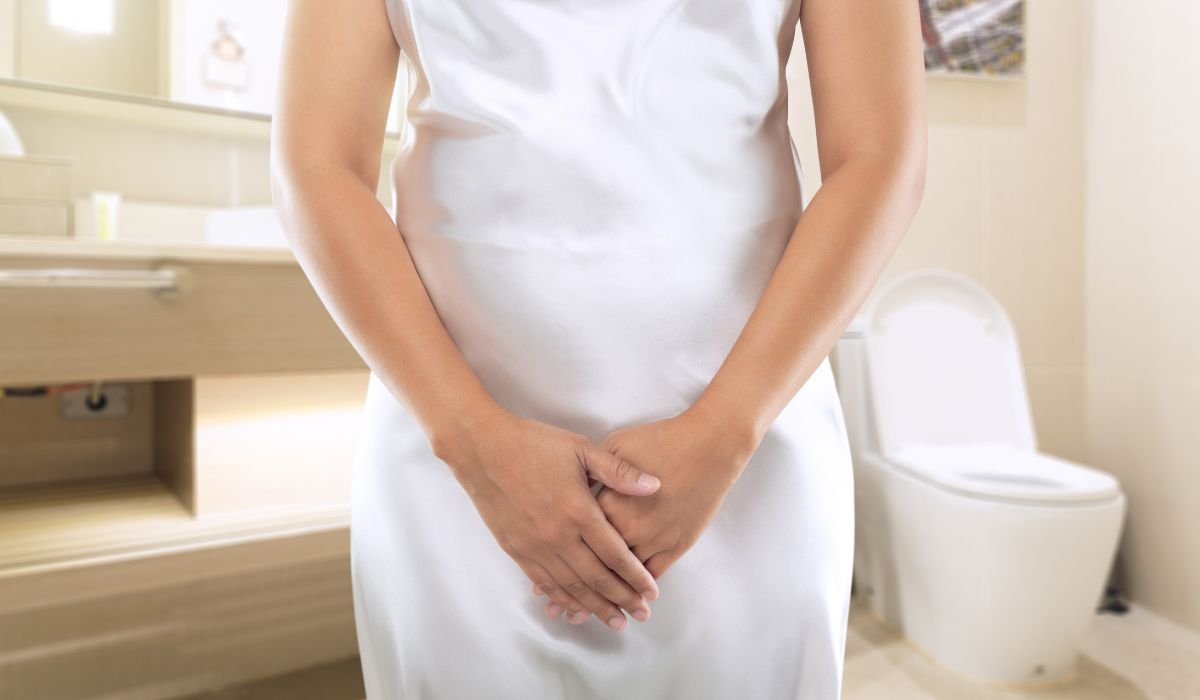
let’s talk about something nobody really prepares you for: feeling drier than usual down there while you’re pregnant. If that’s you right now, take a breath — it’s not weird, it’s not a sign anything’s wrong, and you’re honestly in very good company. So much of pregnancy comes down to your hormones doing their own thing on their own schedule, and this is one of those moments. It might show up in the first few weeks, disappear for a while, and then pop back up right before birth. Confusing? Yes. Dangerous? Almost never. Let’s get into why it happens and, more importantly, what actually makes it better.
So Why Is This Happening?
Here’s the short version: estrogen and progesterone are having a bit of a moment, and your vaginal tissue is one of the first places that notices. For some women, pregnancy actually brings more moisture and discharge, thanks to the extra blood flow happening down there. For others, it’s the complete opposite — things feel tight, itchy, or irritated, especially during sex. If you’re in the second camp, there’s nothing “off” about you. Bodies just don’t all react the same way to the same hormonal shift, and that’s genuinely normal.
But hormones rarely act alone, so let’s talk about the other usual suspects. Dehydration is a sneaky one — pregnancy quietly asks more of you fluid-wise, and even being a little behind on water tends to show up first in your skin and mucous membranes. Later on, your growing bump can press gently on nearby blood vessels, which can affect circulation to the area too. And honestly? What’s on your plate matters more than you’d think — low DHA and omega-3 intake has actually been linked to changes in mucous membrane health, so this is one more reason good prenatal nutrition isn’t just “for the baby.”
Then there’s your shower shelf. Your skin gets more sensitive during pregnancy, so a soap or wash that never bothered you before might suddenly leave you feeling raw. And if what you’re really noticing is itching plus more discharge (not less), that’s worth a second look too — it might be a yeast infection, which is super common in pregnancy and easy to treat once you know what it is.
Here’s the part that should genuinely put you at ease: in the vast majority of cases, this is just hormones being hormones, and it’s completely harmless. That said, your body is pretty good at flagging when something needs more attention. So if the dryness comes with burning, a strong odor, or discharge that looks or smells different than what’s normal for you, don’t just sit with it — give your OB or midwife a call. That combo is worth checking, not waiting out.
What Actually Helps
Good news: the fixes here are simple, and you can start most of them today.
Start with water — I know, I know, everyone says this for everything, but it genuinely matters here. Pregnancy raises your fluid needs more than most people realize, and staying hydrated helps your whole body hang onto moisture, vaginal tissue included. If plain water gets old fast, herbal tea your provider has okayed, or water-heavy snacks like cucumber and watermelon, can help without feeling like a chore.
Next, take a look at what’s touching your skin. Scented soaps, douches, bubble baths — these are sneaky culprits behind dryness that people often blame on pregnancy alone when really, it’s the product. Your body is genuinely great at cleaning itself down there, so warm water, or a gentle fragrance-free wash on the outside only, is usually plenty. Less really is more here.
If dryness is making things uncomfortable in the bedroom, a pregnancy-safe lubricant can be a game-changer. Look for water-based or silicone-based options without added fragrance or warming/cooling effects — and it’s worth a quick check with your provider before you pick one, just to be safe.
Don’t skip your plate, either. Getting enough DHA, omega-3s, and vitamin E — through food or a solid prenatal supplement — supports mucous membrane and skin health all over your body, not just in the obvious places. Salmon, walnuts, chia seeds, avocado — these are easy, low-effort ways to bring more of that in.
And give yourself a little breathing room, literally. Cotton underwear and looser clothing cut down on moisture buildup and friction, both of which can make dryness or itching feel worse than it already does.
If you’ve tried all this and things still aren’t budging, please don’t just tough it out. Your OB or midwife can rule out things like yeast infections or bacterial vaginosis, and if needed, point you toward something safe to use during pregnancy.
A Few Things to Skip
A couple of “quick fixes” tend to backfire, so it’s worth knowing them ahead of time. Scented wipes and feminine sprays marketed to “freshen up” usually just make irritation worse. Over-washing does the same thing — it strips away the very moisture your body’s trying to hold onto. And grabbing a random over-the-counter cream before checking with your provider can sometimes cover up a symptom that actually needed a real look.
Frequently Asked Questions
Is vaginal dryness a sign of early pregnancy?
It can be, though more discharge (not less) is actually the more common early sign. Everyone’s body handles that first-trimester hormone shift a bit differently.
Can vaginal dryness affect the baby?
Nope. It’s a tissue-level thing tied to hormones, and it has zero effect on your baby’s health or development.
Is it safe to use lubricant during pregnancy?
Yes, generally. Fragrance-free water-based or silicone-based lubricants are considered pregnancy-safe, but it’s still worth checking with your provider if you’re managing any complications.
Does vaginal dryness get worse closer to labor?
For some women, yes — it can come back in the final weeks as hormones shift again to get your body ready for birth. On its own, though, it’s not considered a labor sign.
When should I see a doctor about vaginal dryness?
If it shows up with burning, odor, or unusual discharge, that’s your cue to call your OB or midwife rather than waiting it out.