
It depends — on age, skin, and honestly, on what your pediatrician says. This isn’t a blanket yes, even though epsom salt (magnesium sulfate) baths are a go-to for older kids and adults chasing sore-muscle relief or a little relaxation. Babies have thinner, more absorbent skin and zero ability to tell you if something feels off, so the calculus is different.
Table of Contents
What Epsom Salt Is Actually Doing
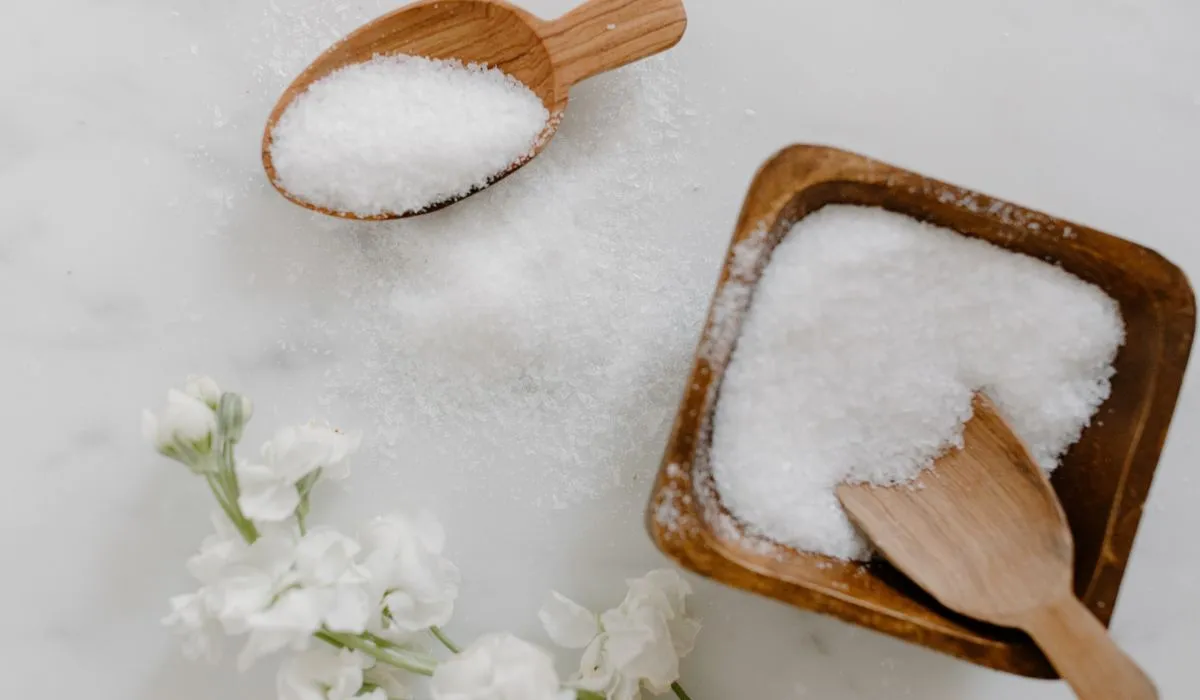
Dropped into warm water, it dissolves and releases magnesium and sulfate ions that get absorbed through the skin. That’s the appeal — people use it for relaxed muscles, calmer skin, easing minor aches, or just a soothing bedtime ritual.
Here’s the catch, though: real clinical research on epsom salt baths for infants is thin. Most of what circulates online is anecdote, not controlled study — and that gap matters more with babies, whose bodies handle magnesium differently than an adult’s does.
Age Changes the Answer
Under 6 months, the general advice is to skip epsom salt baths unless your pediatrician specifically says otherwise. Skin is more permeable at that age, kidney function is still coming online, and there just isn’t much safety data to lean on.
Older babies and toddlers are usually considered lower-risk for an occasional, well-diluted epsom salt bath — but “lower-risk” isn’t the same as “no need to ask.” If your baby has eczema, broken skin, or any diagnosed condition, check with your pediatrician first regardless of age. Magnesium absorption through compromised skin is a lot harder to predict.
If You Get the Green Light
Treat these as a starting point, not a replacement for your pediatrician’s specific advice:
| Guideline | Detail |
|---|---|
| Amount | About 1 cup for a baby-sized bath (never more than 2 cups) |
| Water temp | Warm, not hot — around 37°C / 98.6°F |
| Duration | 15–20 minutes, max |
| Frequency | No more than 1–2 times a week |
| Product | 100% pure, unscented, no added dyes or fragrance |
A Few Non-Negotiables
Dissolve the salt completely before your baby ever gets in — leftover granules can irritate skin. Stay in the room the whole time, no exceptions, epsom salt or not. Check the skin afterward for redness or dryness. Skip it entirely on broken or irritated skin, including active eczema. And if your baby swallows some bathwater, don’t panic — take them out, wipe their mouth with a clean damp cloth, and call your pediatrician if you’re worried.
When to Stop and Call the Doctor
A new rash or hives after the bath, unusual fussiness or lethargy afterward, or diarrhea (magnesium has a mild natural laxative effect, and it’s easy to absorb more than intended) are all reasons to pause and check in.
Other Options Worth a Look
If what you’re actually chasing is help with diaper rash or a calming wind-down routine, there are lower-risk alternatives — plain warm water, colloidal oatmeal baths, or a pediatrician-approved diaper cream — that might get you there with less guesswork.
Bottom Line
Epsom salt isn’t automatically off the table for babies, but it’s not a default-safe bath additive either. Get your pediatrician’s okay first, especially under 6 months or with any skin condition, and keep the amount, temperature, and time conservative when you do use it.
Quick Answers
Is epsom salt safe for newborn baths?
Not without a pediatrician specifically signing off — the safety data at this age is too thin to just wing it.
Can it help with baby constipation?
Some parents swear by it, but there’s little clinical evidence for infants. Ask your pediatrician before leaning on it over other options.
My baby has eczema — good idea or bad idea?
Genuinely mixed. Magnesium can soothe for some kids, but salt can also dry out already-irritated skin. This is a firm “ask first” situation.
 Alona Smith