
If you’ve been peeking into a few too many uncomfortable, straining diaper changes lately, here’s a good guess: your baby might just need a little more fiber. Fiber-rich foods for babies — oats, pears, sweet potatoes, lentils, that sort of thing — help keep digestion moving, ease constipation, and feed the healthy gut bacteria your baby is only just starting to grow. And honestly, the best part is that you probably already have most of these sitting in your kitchen right now. No special shopping trip required, just a bit of guidance on what to reach for and how to bring it in gently.
So let’s get into it. What fiber actually does for a baby’s body, which foods are genuinely worth prioritizing, and how to introduce them without upsetting a tummy that’s still figuring things out.
Why Fiber Matters So Much in the First Year
Around six months, when solids show up on the scene, your baby’s digestive system suddenly has a lot more to handle. Breastmilk or formula never really asks much of the gut, but purees and mashed foods (and eventually those little fistfuls of finger food) change that fast. Fiber quietly does a lot of heavy lifting here. It adds bulk to stool, makes it easier to pass, and basically gives a young, developing gut something to practice on.
There’s a bigger picture too, if you’re curious. Your baby’s gut is home to a whole community of bacteria — the microbiome — and certain fibers are exactly what those bacteria like to eat. Keep that community well-fed early on, and you’re setting up stronger immunity and better digestion down the line. So really, this isn’t just about getting through a rough constipated week. It’s groundwork that pays off later.
That said, this isn’t a “more is better” situation. Too little fiber, and you’ll likely see hard, infrequent stools. Too much too fast, and you might end up with gas or bloating instead. Slow and steady wins here, not a sudden overload.
The Best Fiber-Rich Foods to Start With
Some foods are just gentler on a baby’s digestion than others, especially in those early weeks of solids. Pears and prunes tend to be a pediatrician’s go-to for a baby who seems a little backed up, and there’s a real reason for that — prunes contain sorbitol, a natural sugar with a mild laxative effect, which is exactly why prune puree has earned its reputation as the classic fix.
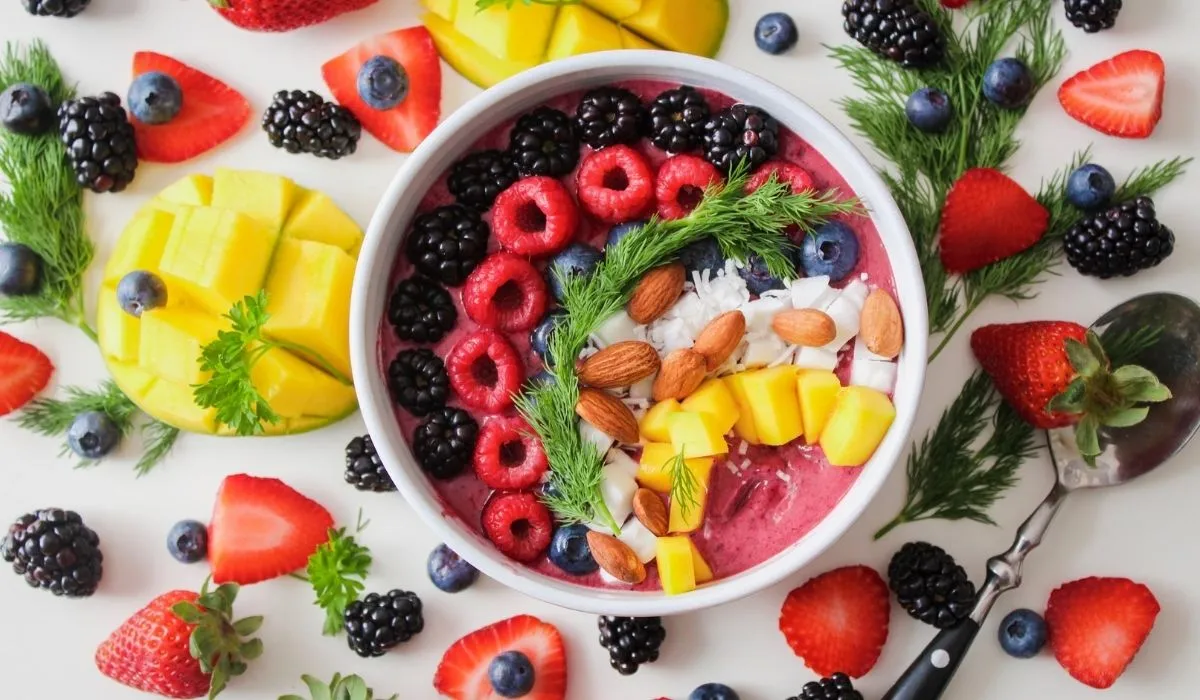
Sweet potatoes and squash are another easy win, and honestly, one of the most forgiving foods to start with. They’re soft, naturally sweet, mash in seconds, and bring vitamin A along with their fiber. Most babies take to them without much fuss. Oats deserve a spot in the rotation too — a warm bowl of oatmeal is cheap, easy, and mixes beautifully with fruit purees if you want to sneak in a little extra goodness.
Avocado is worth a mention purely because it’s so effortless. Creamy, mild, rich in fiber and healthy fats, and all it really needs is a fork. Once your baby’s a bit further along, well-cooked lentils and split peas are great too — they bring fiber and plant protein together, and cook down soft enough to be safe and easy to swallow. Broccoli and peas, steamed until very soft, round things out nicely once your baby’s ready for a little more texture.
How to Introduce These Foods Without Upsetting Baby’s Tummy
Go slow. That’s really the whole approach. Try a spoonful of one fiber-rich food, give it a day or two, and watch how your baby responds before adding another. Cooking fruits and veggies until they’re properly soft makes digestion easier, and thinning purees with breastmilk, formula, or a little water helps everything move through more comfortably. Water becomes especially useful once solids are a regular thing, since fiber genuinely needs fluid to do its job. According to the American Academy of Pediatrics, small amounts of water can be introduced once solids begin, alongside continued breastmilk or formula.
Honestly, don’t stress about tallying grams of fiber — that’s not a battle worth fighting when you’re already exhausted. Just keep an eye on your baby’s stool and general mood. A slightly softer, more relaxed stool is the sign you’re after, not some dramatic overnight change.
A Few Tips and Common Mistakes to Avoid
It’s tempting to want to fix constipation fast, but throwing several new high-fiber foods at your baby in the same week usually backfires — you won’t be able to tell what’s actually helping. Skip fiber supplements or fiber-fortified snack products too, unless your pediatrician has specifically pointed you toward them; whole foods are just gentler on a baby’s system. Raw, hard vegetables and whole nuts should stay off the plate, not because of their fiber content but because they’re choking hazards, full stop. And if you notice one firm stool here or there, try not to read too much into it. A little variation is completely normal as digestion matures.
FAQs About Fiber-Rich Foods for Babies
When can I start giving my baby fiber-rich foods?
Most babies can start once solids are introduced, typically around six months, beginning with soft, well-cooked options like pear or sweet potato.
Can too much fiber be bad for a baby?
Yes. Too much fiber too quickly can cause gas, bloating, or loose stools, so it’s best to introduce fiber-rich foods gradually and pair them with enough fluids.
What’s the best food for baby constipation?
Prunes and pears are widely recommended by pediatricians because of their natural, gentle laxative effect.
Do babies need fiber supplements?
Generally no. Whole foods provide fiber in a form that’s easier for a baby’s gut to handle than supplements typically are.
How do I know if my baby is getting enough fiber?
Regular, soft, comfortable bowel movements are usually the best sign. If constipation persists, it’s worth checking in with your pediatrician.