

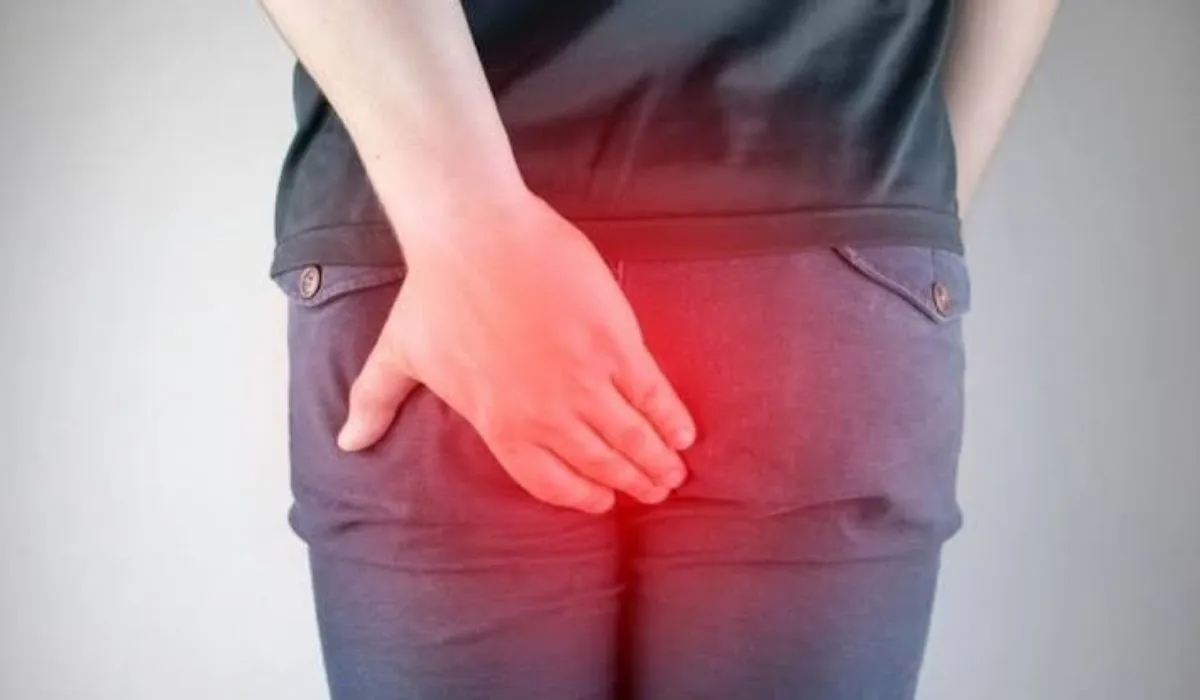
Ever find yourself easing into a chair like your body is negotiating with you? That sharp little twinge right at the base of your spine when you sit down, or that dull ache when you finally stand back up — if that’s been your reality lately, you’re dealing with tailbone pain, and it’s more common in pregnancy than most people realize. Doctors call it coccydynia. It tends to show up around the second or third trimester, often out of nowhere, and it can honestly feel a little alarming the first time it happens. Take a breath, though — this one’s usually harmless. It’s just your body doing some very normal (if uncomfortable) work to get ready for your baby. And there’s genuinely a lot you can do about it.
Table of Contents
Okay, But Why Is This Happening to Me?
Your tailbone — the coccyx, if you want the technical name — is that small triangle of bone tucked right at the bottom of your spine. Most of us never give it a second thought until it starts talking to us. During pregnancy, a handful of things tend to be happening all at once, and together they explain why this tiny bone can cause such a big headache.
A lot of it traces back to a hormone called relaxin. Your body starts releasing more of it as pregnancy goes on, and its job is basically to loosen up the ligaments around your pelvis so your baby has an easier time making their way out when labor starts. Smart system, sure — but not exactly precise. Relaxin doesn’t stop neatly at your pelvis; it loosens the ligaments holding your tailbone in place too, which leaves it more mobile, and honestly, a lot more sensitive than it used to be.
Then there’s the simple reality of your changing shape. As your belly grows and gets heavier, your center of gravity shifts forward, and most women lean back just slightly without even realizing it. That tiny adjustment sends more pressure straight down onto the tailbone, especially when you’re sitting.
Your baby is playing a role here too. By the third trimester, babies often drop lower into the pelvis, and that extra pressure on the nerves and ligaments nearby is part of why this ache tends to get worse the closer you get to your due date.
And sometimes, it really is just about how much time you’re spending in a chair. Long hours at a desk, in the car, on a hard seat — all of that presses directly on the coccyx, and as your body changes, that pressure can start to feel like a lot more than it used to.
What Actually Helps (Because You Deserve to Sit Down Comfortably)
Here’s the part that matters most: you don’t have to just grit your teeth through this. Small changes to your everyday habits can make a genuinely noticeable difference.
If you’re sitting for long stretches, get yourself a coccyx-relief cushion or a doughnut-shaped pillow. It sounds like a small thing, but shifting your weight onto your thighs instead of straight down onto your tailbone changes everything. And if your job has you at a desk most of the day, try standing up and moving around every 30 to 40 minutes. Staying frozen in one position tends to make the ache worse — a little movement really does help.
Warmth works wonders too. A warm compress held against the area, or a warm (not hot) bath before bed, can relax the muscles and ligaments around your tailbone and take the edge off. Posture matters more than you’d think, as well — sitting upright with good back support, instead of slouching or leaning back, keeps the weight off your coccyx rather than piling it on.
Gentle stretching helps a lot of women too, especially stretches that open up the hips and ease tension in the lower back. Some find real relief from a pelvic support belt in the third trimester — it stabilizes the pelvis and takes some of the strain off the surrounding ligaments. And here’s a small trick worth trying: when you do have to sit, lean slightly forward instead of leaning back. Sounds minor, but it genuinely shifts the pressure away from your tailbone.
If the pain is severe, isn’t letting up with rest, or comes with numbness, tingling, or trouble walking, please don’t just push through it — bring it up with your doctor or a prenatal physical therapist. It’s rarely a sign of anything serious, but a professional can rule out other causes, and if it turns out you need it, targeted physical therapy can bring a lot of relief.
A Quick Word on Nutrition
Tailbone pain is mostly a mechanical thing — a matter of pressure and shifting ligaments, not something you ate or didn’t eat. Still, staying well-nourished supports how your joints and ligaments hold up throughout pregnancy in general. Getting enough calcium, magnesium, and vitamin D — usually covered by a solid prenatal vitamin — helps support bone and muscle health all over your body, tailbone included.
Questions You Might Still Have
Is this actually normal, or should I be worried?
It’s genuinely common, and it’s usually caused by hormonal shifts, changes in posture, and pressure from your growing baby. It doesn’t mean anything is wrong with your pregnancy.
When does this usually start?
A lot of women first notice it in the second trimester, and it tends to get more noticeable in the third as baby settles lower into the pelvis.
Will it go away after I give birth?
For most women, yes — it improves noticeably within a few weeks postpartum as your hormones settle back down. If it’s still hanging around longer than that, a pelvic floor physical therapist can help you sort it out.
Can I still work out with tailbone pain?
In most cases, yes. Gentle movement like walking, swimming, or prenatal yoga tends to feel okay, and can even ease some of the tension around your pelvis.
When should I actually be concerned?
If the pain is intense, comes on suddenly, or is paired with numbness or trouble moving, get it checked out by your provider — just to be safe.