
Two lines on a test, and suddenly you’re standing in your kitchen wondering if that leftover deli sandwich was a mistake. Take a breath. The first trimester diet isn’t about getting everything right. It’s about a handful of things: folic acid, iron, protein, water, and meals gentle enough to survive whatever nausea you’re dealing with. This is when your baby’s neural tube, heart, and organs are forming, so quality beats quantity every time. You don’t need to eat for two. Not yet.
Table of Contents
Why This Stretch Matters
Between week 1 and week 12, your baby’s brain and spinal cord are taking shape, often before you’ve even told anyone you’re pregnant. The CDC and ACOG both flag folic acid as one of the biggest levers for lowering the risk of neural tube defects. At the same time, your hormones are doing their own thing. Nausea. Food aversions you can’t explain. A tiredness that hits harder than you expected.
It’s bad timing, honestly. Your body needs more right when your appetite wants less. Knowing that doesn’t fix it, but it does take some of the guilt off the table. You’re not aiming for perfect meals this month. You’re aiming for meals you can actually get through.
The Nutrients That Actually Matter Right Now
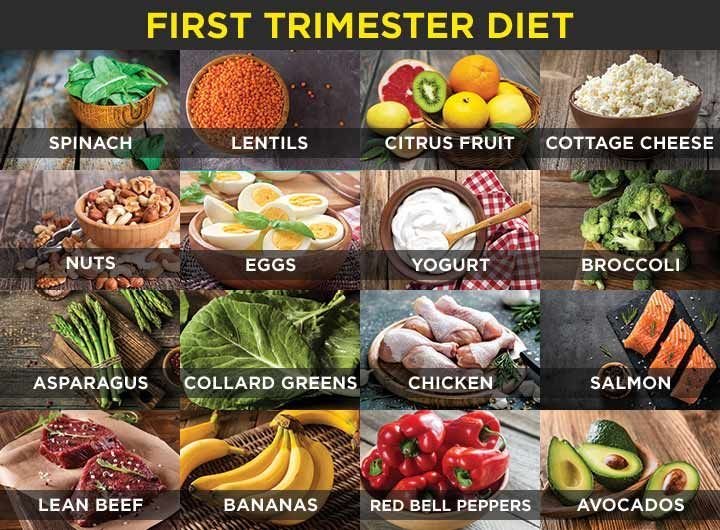
Folic acid comes up first for a reason. It supports your baby’s brain and spinal cord development, and most guidelines land around 400 to 600 micrograms a day. Leafy greens, lentils, oranges, fortified cereal, they all help, but plenty of women just rely on a prenatal vitamin to make sure the number gets hit, especially on the days when eating anything green feels impossible.
Iron is next. Your blood volume starts expanding early to support the placenta, so lean meats, spinach, and beans matter here. Small trick: pair iron with vitamin C, an orange, a bell pepper, whatever, and your body absorbs more of it.
Protein does its work quietly. Eggs, Greek yogurt, tofu, beans. You don’t need huge portions, just consistency. And water matters more than people expect. Nausea and dehydration tend to make each other worse, so keeping water or a pregnancy-safe tea nearby genuinely helps on rough days.
Worth knowing too: DHA, an omega-3 found in fish or algae-based supplements. It supports brain development, which is why it usually shows up right next to folic acid on prenatal labels.
When Nausea Runs the Show
If mornings, or afternoons, or the whole day feels off, smaller and more frequent meals usually beat three big ones. Crackers. Toast. Plain rice. Bland and room temperature tends to sit better than anything rich. Ginger helps some women and does nothing for others.
Here’s the real talk part: during the rough weeks, a balanced plate isn’t the goal. Keeping something down is the goal. That’s enough. A prenatal vitamin can quietly cover what your meals can’t.
Foods to Set Aside for Now
Raw or undercooked meat and eggs, unpasteurized dairy, high-mercury fish like swordfish or king mackerel, alcohol, and too much caffeine, generally under 200mg a day, about one cup of coffee. If you had any of this before you knew you were pregnant, let it go. This list is about going forward, not looking back.
The Mistake Almost Everyone Makes
Doubling food intake the moment they find out. You don’t need to. Calorie needs barely move in the first trimester. It’s what’s on the plate, not how much of it, that actually counts.
Questions People Usually Ask
Do I still need a prenatal vitamin if I eat well?
Yes, most doctors say so. Hitting folic acid and iron targets through food alone is hard, especially once nausea starts messing with your meals.
Is losing a little weight normal this early?
A small drop tied to nausea is common and usually fine. If it’s more than a little, mention it to your provider.
Can I still drink coffee?
In moderation, yes. Under about 200mg a day is generally considered safe.
What if nothing stays down?
Small sips of water, bland foods, spread out over the day. If vomiting is constant and doesn’t ease up, call your provider to rule out hyperemesis gravidarum.
What are the best meal plans for pregnancy in the first trimester?
A healthy first-trimester pregnancy meal plan should include a balance of lean proteins, whole grains, fruits, vegetables, healthy fats, and dairy or calcium-rich alternatives. Focus on nutrient-dense foods that provide folate, iron, calcium, vitamin D, and protein to support your baby’s early development while helping manage common symptoms like nausea and fatigue.
What is the best pregnancy meal plan for the first trimester?
The best pregnancy meal plan for the first trimester includes three balanced meals and two to three healthy snacks each day. A typical day may include oatmeal with berries for breakfast, Greek yogurt as a snack, grilled chicken salad for lunch, fruit with nuts in the afternoon, and baked salmon with brown rice and vegetables for dinner. Staying hydrated and taking prenatal vitamins are also important.
What is a healthy meal plan for pregnancy in the first trimester?
A healthy first-trimester meal plan should provide essential nutrients without relying on empty calories. Include foods such as eggs, leafy greens, beans, lentils, whole grains, lean meats, dairy products, nuts, seeds, and low-mercury fish. Eating small, frequent meals can also help reduce morning sickness and maintain steady energy levels.