

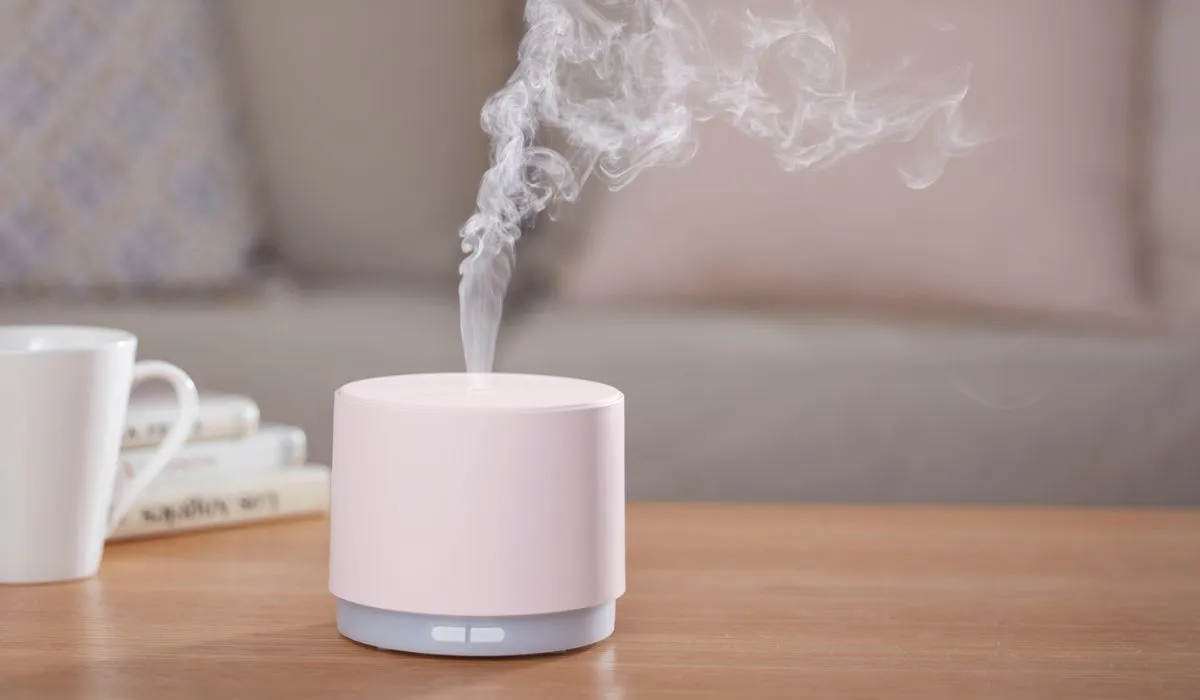
There’s something almost instantly comforting about walking into a home that smells good. You don’t have to spend a lot to get that feeling, either — a solid plug-in fragrance diffuser under $60 can do more for a room than most people expect, and honestly, some of the cheaper options hold their own against diffusers that cost twice as much.
If you’ve been scrolling through options and feeling a little overwhelmed by the choices, you’re not alone. Let’s walk through what actually matters when you’re shopping in this price range, so you end up with something that smells great for months instead of something that fizzles out after a few weeks.
So What Exactly Is a “Plug-In” Diffuser?
Just to get everyone on the same page: a plug-in diffuser is any fragrance device that connects straight into a wall outlet, rather than running on batteries or needing an app to control it. Simple, low-maintenance, and usually pretty affordable. Under $60, you’ll mostly come across three types.
Heat-based plug-ins are the classic option most of us grew up with — they gently warm a scented oil or wax to release fragrance, and they’re the cheapest of the bunch, usually somewhere between $10 and $25. Then there are ultrasonic plug-in diffusers, which mix water and essential oils to create a soft, cool mist. These tend to run $25 to $50. And finally, fan diffusers with scent cartridges push air through a fragrance-infused pad, which makes them a favorite for bigger rooms — expect to pay anywhere from $20 to $60 for these.
Each type has its own personality, so to speak. Some are stronger, some are subtler, and they each have different ongoing costs for refills — which, honestly, matters a lot more than the upfront price once you’ve had the thing running for a few months.
What Actually Separates a Good Diffuser From a Disappointing One
Once you get past the price tag, a handful of details tend to make or break the experience. Here’s what’s worth paying attention to.
Room coverage is probably the first thing to check. Cheaper heat-based units usually handle 200 to 300 square feet comfortably, while ultrasonic and fan models can stretch to 500 square feet or more. If you drop a small plug-in unit into a big open living room, you’re going to be disappointed no matter how nice the scent is — it’s simply not built for that kind of space.
Adjustable intensity is another one people don’t think about until it’s too late. A lot of budget diffusers only have one setting, and it’s either barely noticeable or way too strong for a small bedroom. Look for something with a dial or a few intensity levels so you actually have control.
Then there’s the refill situation, which is where a lot of “budget-friendly” diffusers quietly stop being budget-friendly. Some brands lock you into their own proprietary cartridges, and those can end up costing more over time than the diffuser itself. It’s worth checking upfront whether a unit works with any essential oil or if you’re stuck buying specific refills from one brand.
An auto shut-off or timer is genuinely useful, especially for ultrasonic and heat-based units. Being able to set it for 1, 3, or 6 hours means you’re not leaving it running non-stop, and it tends to extend the life of the device too.
And don’t overlook noise. Fan-based diffusers can have a faint hum in the background. It’s not usually a dealbreaker, but if you’re planning to use one in a bedroom or somewhere quiet, look for models that are specifically marketed as whisper-quiet.
Matching the Diffuser to the Room
A heat-based plug-in works nicely in smaller, enclosed spaces — bathrooms, closets, that kind of thing — and usually costs somewhere in the $10 to $25 range. An ultrasonic plug-in is a nice fit for bedrooms and offices, especially if you like the light humidifying effect alongside the scent, and typically runs $25 to $50. If you’re trying to fill a bigger space like a living room or entryway, a fan cartridge diffuser tends to do the best job, and you’ll usually find them between $20 and $60.
A Few Mistakes Worth Avoiding
Placement matters more than people realize — fragrance rises and spreads better when the outlet is roughly knee height or above and isn’t tucked behind furniture or in a corner where the scent has nowhere to go.
It’s also tempting to think more oil equals a stronger smell, but overfilling can actually clog the diffusion mechanism and shorten how long the device lasts. A little restraint goes a long way here.
Wattage is easy to overlook too. Heat-based diffusers with very low wattage sometimes don’t generate enough heat to fully activate the fragrance oil, which leaves the room smelling faint even with a fresh refill.
And cleaning — this one’s easy to forget. Leftover residue from a previous scent can mix with a new one and create a weirdly muddled smell. Giving the reservoir a wipe every few refills keeps things smelling the way they’re supposed to.
A Couple of Quick Tips
If you’re trying a new fragrance brand, grab a sample or travel-size bottle first rather than committing to a full one — it saves you from being stuck with a scent you don’t love. Scents can also be fun to rotate with the seasons; citrus and light florals feel right in warmer months, while vanilla, wood, and spice tend to suit fall and winter. And if allergies are a concern for anyone in the house, look for diffusers that work with fragrance-free or hypoallergenic oil blends.
Frequently Asked Questions
Is it safe to leave a plug-in diffuser on all day?
Most are designed for that kind of continuous use, but if you’re going to leave one running unattended, a model with an auto shut-off timer is the safer bet — especially with heat-based units.
Can these help with pet odors?
They’ll help mask the smell, but they won’t get rid of the source. Pairing one with regular cleaning gives you the best results.
What’s the difference between this and a reed diffuser?
Plug-in diffusers actively push scent into the room using heat, fan power, or ultrasonic mist, so the fragrance tends to be stronger and easier to adjust. Reed diffusers rely on passive evaporation, which gives a much more subtle, slow-release effect.
Can I just use any essential oil?
Only if the diffuser is labeled as universal or oil-compatible. Some cartridge-based models are picky and only work with their own refills.
How long does a refill usually last?
Around 20 to 30 days with regular use, though it really depends on the wattage, the intensity setting you’re using, and the type of oil.
 Emma Gill