

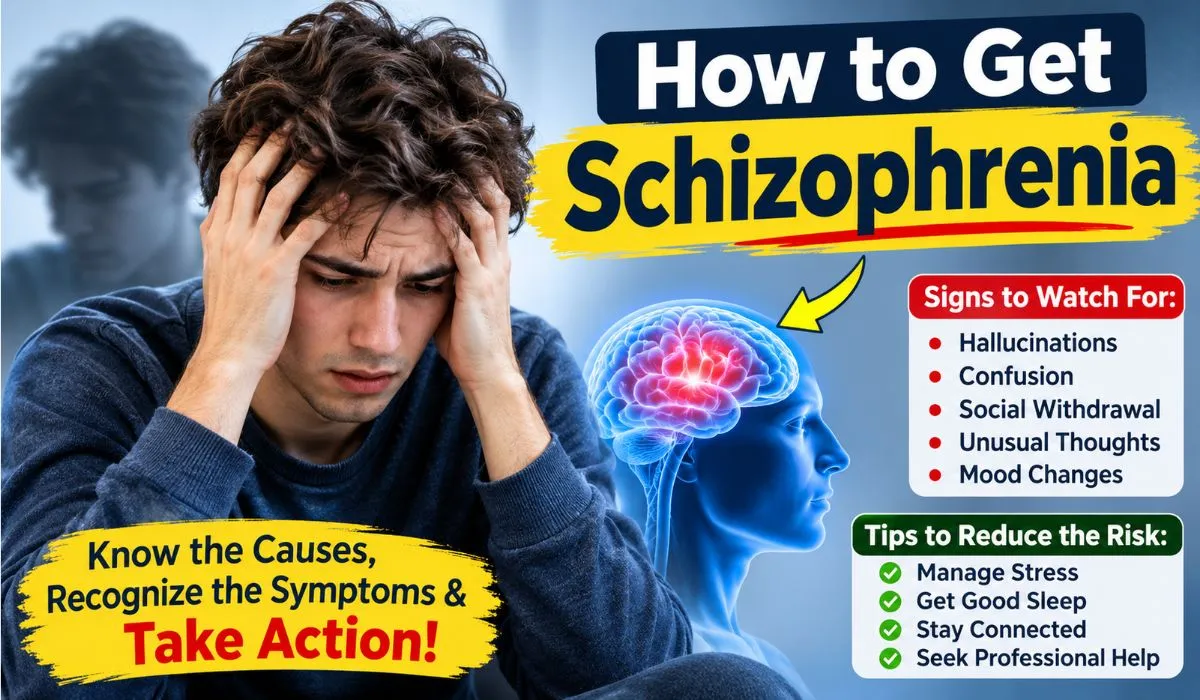
Nobody “gets” schizophrenia the way they get a cold, and nobody can choose it either. It comes from a mix of genes, how the brain developed early on, and what life throws at a person. The NIH says there’s no single cause, and symptoms usually start somewhere between the late teens and early thirties.
Table of Contents
My friend Hira texted me at midnight once. Her cousin had just gone through a scary episode, and she wanted to know if the same thing could happen to her, just from being stressed. I didn’t have a tidy answer that night. I do now, so here it is.
Genes load the dice, they don’t roll them
Having a parent or sibling with schizophrenia does raise your odds. The general population sits around 1 in 100, and with a close relative it climbs to maybe 10 in 100. Flip that around though, and most people with a family member who has it never develop it at all. NIMH describes genes as a risk, never a promise. Something else usually has to nudge things along.
The part moms ask about most: pregnancy
This bit surprises people. Some risk seems to start before a baby is even born. Researchers have linked later schizophrenia to severe infections during pregnancy, to serious malnutrition (the Dutch Hunger Winter of 1944 is the example everybody cites), and to complications around birth.
Please hear this part, because I know how mom guilt works. A nasty flu in your second trimester isn’t a failure on your part. The actual risk stays low, even in those studies. What it does give us is one more reason to care about prenatal nutrition and prenatal care: eating decently, taking pregnancy supplements like folic acid, keeping up with vaccines your doctor recommends, and showing up to checkups. All of that supports fetal brain development. Low vitamin D in pregnancy has been looked at too, but the evidence is mixed, so talk to your doctor before you start doubling up on anything.
Teen years, stress and cannabis
The brain is still rewiring itself through adolescence, which is probably why this is when symptoms most often show up. Heavy trauma and long-term stress are linked to higher risk in people who are already vulnerable. So is frequent cannabis use, especially strong stuff started young. The WHO also lists things like city upbringing and isolation. Honestly, none of these work alone. It’s usually a few small pushes landing at the wrong moment in one person.
What the early signs look like
This is hard, because early on it looks like normal teenage weirdness. Withdrawing from friends. Grades slipping. Foggy thinking. Odd ideas that don’t fit. Sometimes hearing or seeing things nobody else does. If a few of those hang around for several weeks, book a doctor visit. Don’t wait it out. The CDC and NIMH both say earlier treatment leads to better outcomes, and that’s backed by a lot of research.
Myths worth dropping
It doesn’t mean “split personality.” That’s a different thing entirely. Most people living with it aren’t violent either, and they’re actually more likely to be harmed than to harm anyone. And parenting doesn’t cause it, whatever some old textbooks claimed. Parents carry enough already.
FAQs
Can stress alone cause schizophrenia?
Unlikely. Stress can trigger symptoms in someone already at higher risk, but it rarely starts the condition on its own.
Can a mother pass schizophrenia to her baby?
Genes can raise a child’s risk, but it’s not a certainty. Most kids of a parent with schizophrenia never develop it.
Can prenatal vitamins prevent it?
No vitamin can promise that. Good maternal nutrition supports a healthy pregnancy overall, and that’s the realistic goal.
What age does it usually start?
Late teens to early thirties, a little earlier on average for men.
Is there a cure?
Not yet. Medication, therapy and steady family support do help many people live full, ordinary lives.