
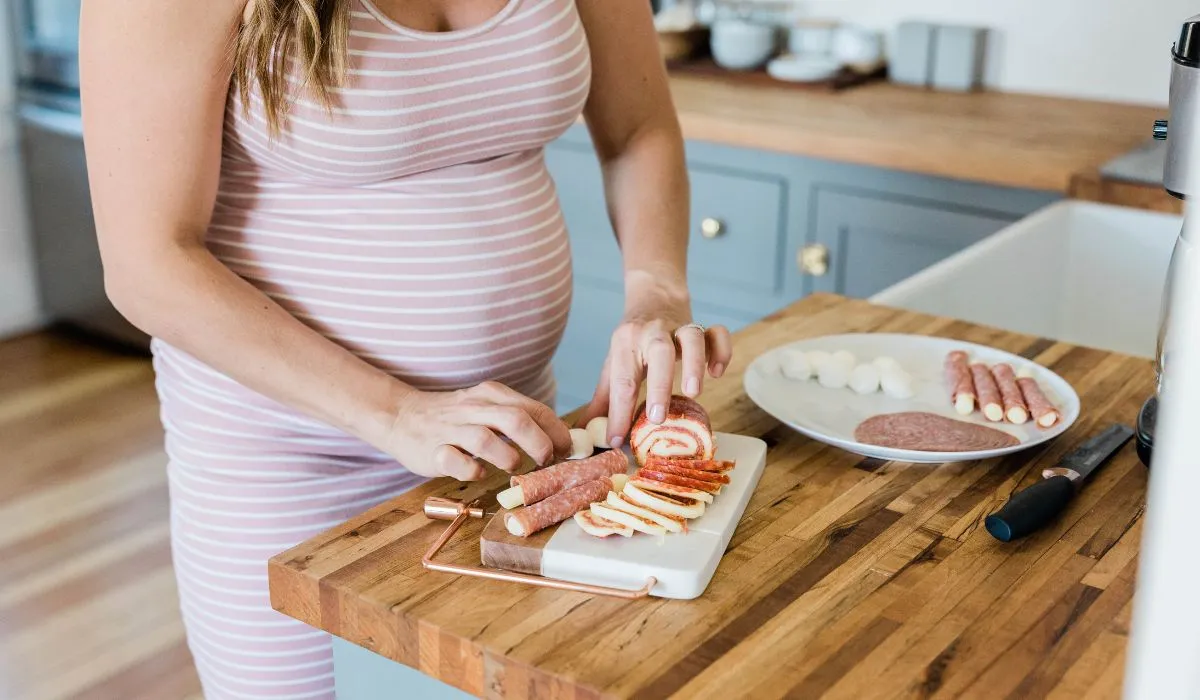
Let’s be honest — some days, the idea of cooking dinner from scratch feels like being asked to run a marathon. Between the nausea, the exhaustion, and the general mental fog that pregnancy can bring, “just whip something up” isn’t always realistic. That’s where meal prep comes in. You carve out a couple of hours once or twice a week, get a batch of food ready ahead of time, and suddenly your worst, most tired evenings have a nourishing meal already waiting instead of one more decision you have to make.
Table of Contents
Why This Matters So Much Right Now
Here’s the thing about pregnancy nutrition — it’s not really about chasing some perfect diet. Your body is quietly doing an enormous amount of work to grow another human, and that means your needs for folic acid, iron, protein, and DHA all climb higher than usual. Health experts, including the CDC and ACOG, tend to agree on one thing: it’s the everyday consistency of what you eat that matters far more than any single “superfood.” But consistency is hard to pull off when first-trimester nausea or third-trimester exhaustion makes even boiling pasta feel like a chore. A little planning ahead of time really does take the pressure off.
Find a Rhythm That Actually Fits Your Week
You don’t need a spreadsheet or a Pinterest-worthy prep station for this to work. Honestly, most moms-to-be find it easier than they expect once they settle into a simple rhythm — maybe picking Sunday afternoon, or Sunday and Wednesday if the week is long, and using that time to cook a few staples in bulk. A pot of rice or quinoa, a tray of roasted vegetables, some protein like shredded chicken or baked salmon, and maybe a big pot of soup. Once those pieces exist in your fridge, you’re not cooking a brand-new meal every single night — you’re just assembling.
Freezer meals deserve a special mention here too. Something like a lentil and spinach stew, a slow-cooker chili, or a veggie-packed pasta sauce freezes beautifully in single portions. On the days when even chopping an onion feels like too much to ask of yourself, you just pull one out, thaw it, and reheat. It genuinely feels like a gift from your past self.
Meals and Snacks That Hold Up Well in the Fridge
Not every food preps equally well, so it helps to lean on the ones that do. Overnight oats with chia seeds and berries are one of those quiet lifesavers — no cooking required in the morning, and they’re packed with fiber and folate. Hard-boiled eggs are almost cheating in the best way; they last close to a week in the fridge and give you a solid dose of choline, which plays a real role in your baby’s brain development. Grain bowls are another favorite — build a base of quinoa or brown rice, add roasted vegetables and a protein like chickpeas or grilled chicken, then just dress them fresh right before you eat so nothing turns soggy by day three.
For snacking, portion out little bags of trail mix or set up small containers of hummus with cut veggies. They take almost no time to prep and end up being exactly what you reach for when hunger hits out of nowhere — which, let’s be honest, happens a lot these days.
When Nausea Makes Everything Feel Complicated
If certain smells or textures are suddenly unbearable, please don’t push yourself to prep around foods your body is rejecting right now. It won’t last forever, and forcing it usually just backfires. Lean into what actually feels manageable — bland, cold, or room-temperature foods like rice bowls, chilled fruit, or plain crackers with cheese tend to sit much easier when nausea is running high. There’s nothing wrong with building a “safe foods” batch to get through a rough patch and expanding your options again once you’re feeling steadier.
A Few Things That Make a Real Difference
Cook your proteins and grains in bulk, but save the dressing and sauces for right before you eat — that’s what keeps everything from turning limp and sad by midweek. Glass containers are worth the switch too; they reheat more evenly than plastic and don’t hold onto smells the way plastic sometimes does, which matters a lot when certain odors are a trigger. And if you’re already cooking a recipe, just double it. The extra ten minutes of effort buys you an entire additional meal for the freezer later.
One thing worth watching out for: a lot of people get excited in week one, plan five ambitious recipes, and completely burn out by week two. Start small — two or three simple staples you actually enjoy — and build from there once it starts feeling like second nature rather than a chore.
FAQ
How far in advance can I meal prep during pregnancy?
Most cooked meals hold up in the fridge for about 3–4 days, and freezer meals can last 2–3 months. Just make sure to reheat everything until it’s fully steaming before you eat it.
What foods should I avoid when meal prepping while pregnant?
Steer clear of unpasteurized dairy, raw or undercooked meat and eggs, and high-mercury fish like swordfish or king mackerel. When you’re unsure, the CDC’s pregnancy food safety guidelines are a good place to check.
Is it safe to eat the same meal prepped food every day?
It’s fine now and then, but mixing things up helps you get a broader spread of nutrients like iron, DHA, and folic acid. Try rotating two or three different meals through the week rather than sticking to just one.
Can meal prep help with pregnancy nausea?
It really can. Having gentle, ready-to-eat foods already made means you’re never stuck trying to figure out what to cook the moment nausea hits — which is usually the worst time to be standing in a kitchen anyway.
Do I need special containers for pregnancy meal prep?
Not strictly, but glass containers are worth considering. They don’t absorb odors the way plastic can, which makes a real difference if smells have become one of your triggers.