

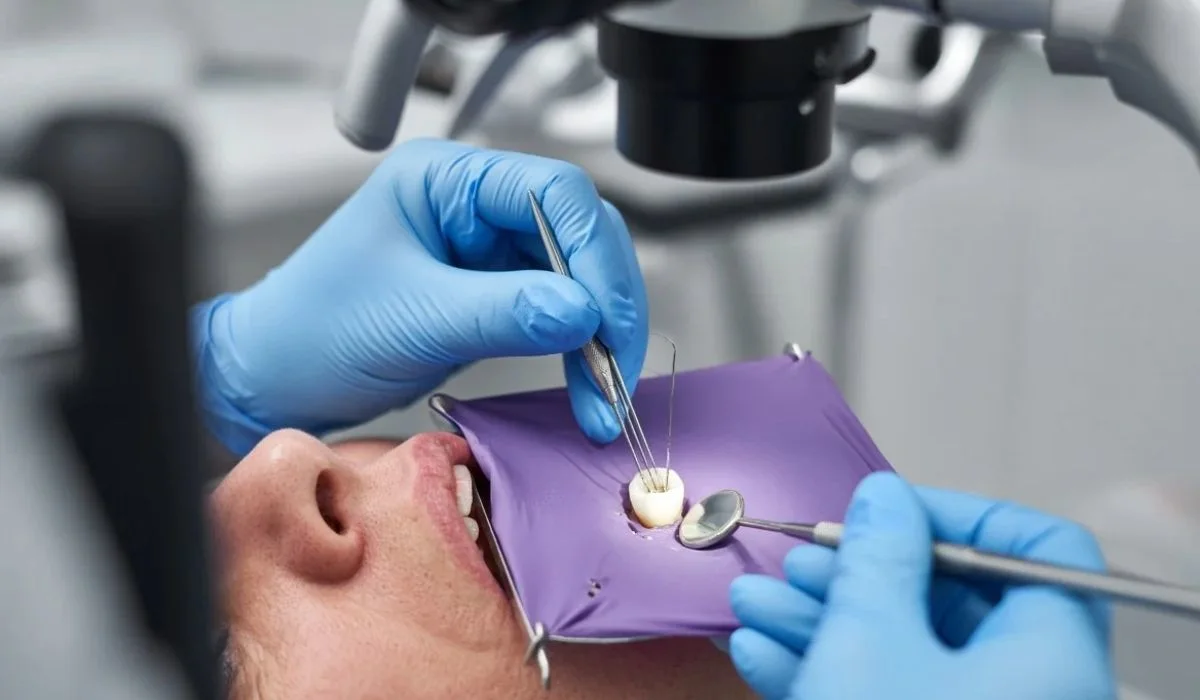
You’re in the waiting room, flipping through a magazine you’re not reading, and your tooth is throbbing in time with your pulse. That’s the part that hurts. The root canal itself? Most people say it feels about like a long filling. You get a pinch from the numbing shot, then pressure and a lot of noise, and that’s about it.
Table of Contents
So why does everyone cringe when they hear the words? Mostly because of the toothache that comes first. By the time someone needs a root canal, the tooth has usually been infected for a while, and it’s been keeping them up at night. The procedure gets blamed for pain it actually ends. The American Association of Endodontists even says people who’ve had one are much more likely to call it painless than people who haven’t. Fear does a lot of the work here.
What you’ll actually feel in the chair
The dentist numbs you first, and they should wait until the tooth is properly dead to the world before starting. Then they clear out the inflamed tissue inside, clean the little canals, and seal it all up. You’ll feel tugging sometimes. You’ll hear that high whine. What you shouldn’t feel is a sharp zap. If you do, say so right then. Infected teeth can be stubborn about numbing, and a good dentist will just give you more.
Expect an hour or so, maybe more for a back tooth. Some need a second visit.
The next few days
When the numbness wears off, the tooth feels bruised, especially when you chew. It’s usually mild and fades within a few days. Eat on the other side, take whatever your dentist okayed, and don’t test it with a bag of almonds. If the ache gets worse instead of better, or your face swells, or you run a fever, call the office. Don’t wait it out.
Root canal during pregnancy
Here’s the bit that makes pregnant women hesitate, so let’s be direct. ACOG says needed dental work is safe during pregnancy, and an untreated infection is generally the bigger risk. Pregnancy hormones make gums touchy, and morning sickness and reflux wash stomach acid over your teeth, so dental problems aren’t rare right now.
Most dentists like to schedule it in the second trimester, because lying back is easier on you then. Local anesthetic is considered fine, and X-rays with a lead apron are low risk. Do tell them how far along you are, though. And skip reaching for ibuprofen on your own. Ask your dentist or OB what to take, since the safe choice depends on your stage of pregnancy.
Your plate matters too. Calcium, vitamin D, and your prenatal vitamins all help keep enamel strong, which is a good reason to take that daily vitamin even on days when it makes you queasy.
A few small tips
Eat something beforehand, because you won’t want to chew while your mouth is numb. Bring headphones. Tell the dentist you’re nervous; they’ve heard it a thousand times and will slow down for you. And please don’t ignore a toothache that suddenly stops. Sometimes that just means the nerve died. The infection’s still there.
FAQs
Does a root canal hurt more than a filling?
Not usually. It just takes longer.
How long is a root canal sore afterward?
A few days of mild tenderness is common. Pain that grows needs a call to your dentist.
Is it safe to get a root canal while pregnant?
Dental experts generally say yes, and the second trimester is often the easiest time.
What if the numbing isn’t working?
Tell them immediately. They can add more or try another approach.
Should I just have the tooth pulled?
Often it’s better to keep your natural tooth if it can be saved.