

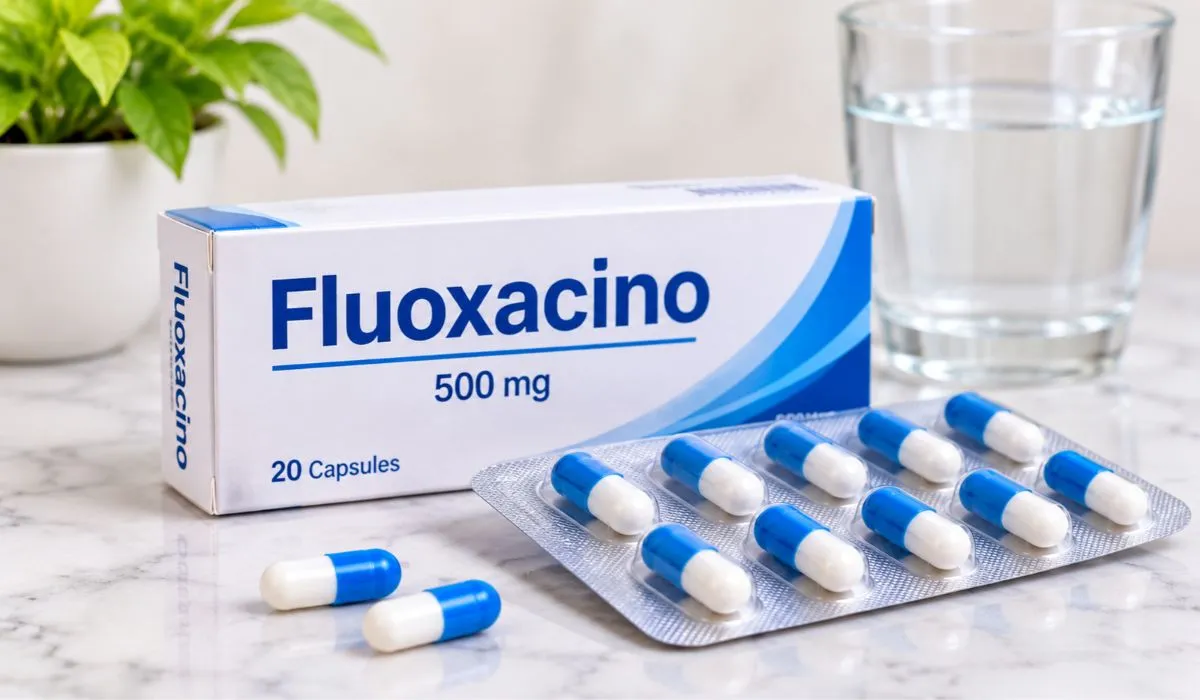
Fluoxacino is a common misspelling of fluoxetine, the antidepressant many people know as Prozac. If you searched for fluoxacino, you’re probably trying to work out what this medicine does, how long it takes to work, or whether the side effects are normal. This guide covers all three in plain language.
Table of Contents
What Is Fluoxacino Used For?
Fluoxetine is a prescription SSRI (selective serotonin reuptake inhibitor). It works by keeping more serotonin available between nerve cells. Serotonin helps regulate mood, sleep and emotions.
According to the FDA, it’s approved for major depressive disorder, obsessive-compulsive disorder (OCD), bulimia nervosa and panic disorder. Spanish regulators list depression, OCD and bulimia for adults. Doctors also prescribe it off-label for things like premenstrual dysphoric disorder and binge-eating disorder. That means the use is backed by evidence but isn’t on the official label.
It was one of the first SSRIs, launched in 1987, and it’s still widely prescribed. Many doctors like it for its wide dose range and its low risk of causing withdrawal-type symptoms.
How Fast Does It Work?
Not as fast as people hope. You may notice small changes in sleep, appetite or energy within a week or two, but mood usually takes longer. Most people need about 4 to 6 weeks to feel the full effect, and OCD can take a bit longer.
The first days can actually feel rough. Nausea, headache, restlessness, a jittery kind of anxiety and trouble sleeping are the usual early complaints. Fluoxetine is an “activating” antidepressant, so it can feel a little wired at first. For most people this settles within two to three weeks, and not everyone gets these effects at all.
Dose and Timing
Adults with depression or OCD typically start at 20 mg once a day, usually in the morning. The morning slot matters because the medicine can disrupt sleep if you take it later. Some people with anxiety start lower and build up slowly, which can ease those early side effects.
Doses vary by condition. Bulimia is usually treated at higher doses than depression, and panic disorder often starts lower. Your doctor sets the dose, so don’t adjust it yourself. If you miss a dose, take it when you remember, but skip it if the next one is close. Never double up.
Side Effects You Should Know About
Common ones include nausea, diarrhea, dry mouth, sweating, tremor, yawning, vivid dreams and appetite loss. Fluoxetine tends to reduce appetite, so mild weight loss is more likely than weight gain.
With longer use, the ones people mention most are lower sex drive, delayed orgasm and a flattened feeling, as if emotions are turned down. If either bothers you, tell your doctor. Dose changes or a different medicine often help.
A few things are more serious:
- Suicidal thoughts: Fluoxetine carries a boxed warning for children, teens and young adults, especially early on or after a dose change. Anyone starting it should be watched closely for mood changes.
- Mania: If someone has undiagnosed bipolar disorder, an antidepressant can trigger euphoria, irritability or a sharp drop in the need for sleep.
- Serotonin syndrome: Agitation, fever, sweating, muscle stiffness and a racing heart need emergency care.
- Bleeding and low sodium: The risk goes up with NSAIDs, aspirin or blood thinners, and in older adults.
Interactions and Pregnancy
Tell your doctor about everything you take. Fluoxetine shouldn’t be combined with MAOIs, and it needs a waiting period when switching to or from one. It can also interact with tramadol, triptans, St. John’s wort, tamoxifen and several other drugs.
If you’re pregnant or planning to be, don’t stop on your own. Late-pregnancy use can raise some risks for the newborn, but untreated depression carries risks too. It’s a decision to make with your provider.
Stopping Fluoxacino
Don’t quit suddenly. Fluoxetine stays in the body for a long time, which makes withdrawal symptoms milder than with other SSRIs, but a doctor should still guide you off it. After stopping, watch your mood over the following weeks in case symptoms return.
FAQ
Is fluoxacino the same as Prozac?
Yes. Fluoxacino is a misspelling of fluoxetine, and Prozac is the original brand name.
Does it cause weight gain?
Less often than many antidepressants. It more commonly lowers appetite.
Is it addictive?
No. It isn’t a controlled substance and doesn’t cause tolerance or cravings.
Can I drink alcohol on it?
It’s best not to. Alcohol can worsen dizziness and sleepiness, and it can undermine your mood and sleep.
Does it make you sleepy?
Rarely. Insomnia is the more common problem, which is why morning dosing is usual.