

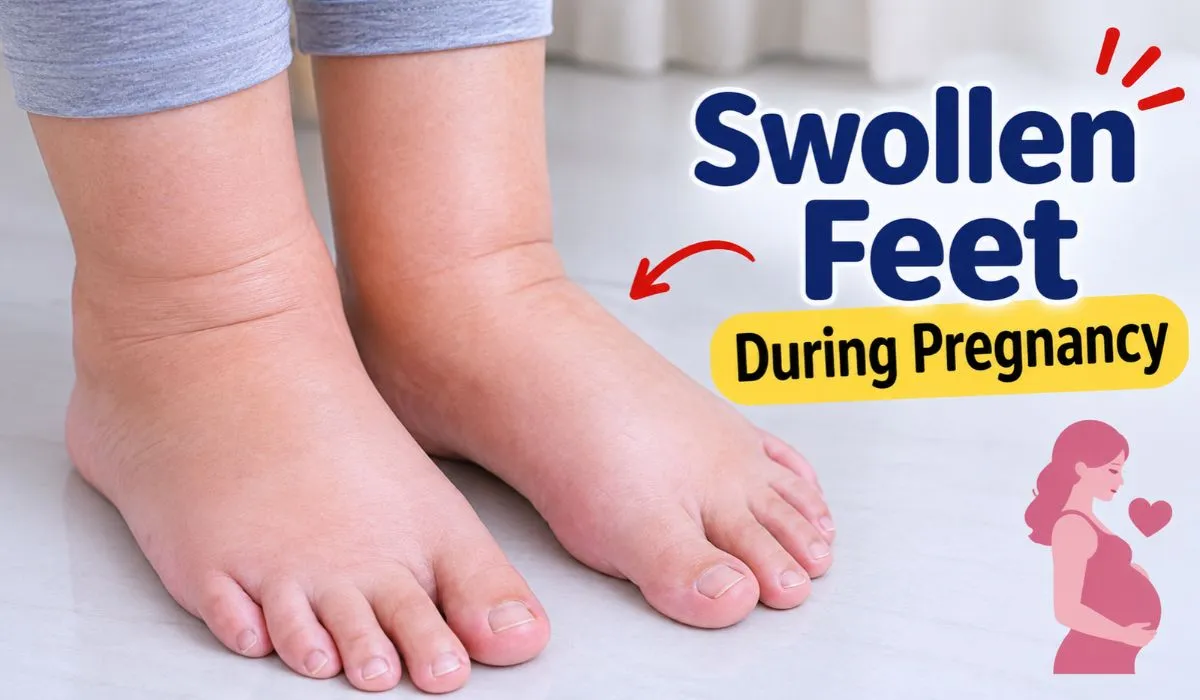
Swollen feet during pregnancy are very common and usually harmless. They happen because your body is carrying extra blood and fluid, and gravity pulls some of it down into your feet and ankles. Elevating your feet, staying active and drinking plenty of water can help. Sudden swelling, or swelling in your hands or face, needs a call to your doctor.
Table of Contents
If you’ve looked down lately and wondered where your ankles went, you’re not alone. Swollen feet during pregnancy are one of those things nobody quite warns you about. Your belly isn’t the only part of you that’s growing.
Why Do Your Feet Swell During Pregnancy?
Your body is doing something amazing. It’s making extra blood and fluid to support your baby. That’s great for your little one, but all that extra fluid has to go somewhere. Thanks to gravity, a good share of it settles in your feet and ankles.
Your growing uterus adds to the story. As it expands, it presses on the veins in your pelvis and legs, which slows circulation. The fluid pools, and you get that tight, puffy feeling. Doctors call this edema.
When Does Swelling Usually Start?
Many women first notice it in the last three months. Hot weather and long days on your feet tend to make it worse. So don’t be surprised if your shoes fit fine in the morning and feel a size too small by dinner.
How to Ease Swollen Feet During Pregnancy
The good news is that simple habits make a real difference.
Put your feet up, often. Try to elevate your feet three to four times a day. On the sofa or in bed, prop them on pillows. At a desk or in a chair, a footstool does the job nicely.
Keep moving. Sitting or standing for too long lets fluid collect. Get up and walk for a few minutes every hour. Gentle exercise helps too, and water aerobics are especially lovely when your body feels heavy. Check with your provider before starting anything new.
Drink more water. It sounds backwards, but the more you drink, the less fluid your body holds on to. Easing off salty foods can help as well, which ties in nicely with good prenatal nutrition.
Dress your feet kindly. Full-length support stockings or compression stockings can keep fluid from settling. Skip socks with tight bands around the calf or ankle. Choose shoes with good arch support and room to breathe, and don’t squeeze swollen feet into ill-fitting pairs. Some women also find that orthotics help spread their weight more evenly.
Treat yourself to a massage. Ask your partner for a foot rub. It feels wonderful and gets circulation moving.
Common Mistakes to Avoid
- Skipping water because you’re worried about retaining fluid
- Walking barefoot for long stretches, which can leave your arches unsupported
- Pushing through long hours of standing without a break
- Ignoring swelling that comes on suddenly
When Swollen Feet Could Mean Something More
Some swelling is normal, and ACOG and other health experts agree on that. But call your doctor right away if the swelling appears all of a sudden, if your hands or face swell too, or if one foot is much more swollen than the other. Swelling that doesn’t go down after resting is also worth a call.
These signs can point to conditions like preeclampsia or a blood clot. They’re not common, but they need prompt attention. Trust your instincts. You’ll never be bothering anyone by asking.
Will My Feet Go Back to Normal?
Most likely, yes. Swelling from extra fluid usually fades soon after delivery. A small number of women find their feet have grown up to a size larger after pregnancy, so don’t give away your old shoes too quickly.
Frequently Asked Questions
Is it normal to have swollen feet during pregnancy?
Yes. Mild swelling, especially in the third trimester, is very common.
Can I prevent swollen feet during pregnancy?
Not always, but you can reduce it by elevating your feet, moving regularly, staying hydrated and wearing supportive shoes.
Does drinking water help swollen feet?
It does. More fluids help your body release the extra water it’s holding.
When should I worry about swelling?
If it comes on suddenly, affects your hands or face, or is worse in one foot, call your doctor right away.
Do compression stockings help?
Many women find full-length support stockings helpful, and they’re easy to wear through the day.