
Standing in the kitchen at 7 a.m., half-awake, wondering if the oatmeal you’re about to eat is actually doing anything useful for you and the baby? It is. Oatmeal is one of the safest, easiest breakfasts you can reach for during pregnancy, and it turns out to be quietly packed with exactly what your body is asking for right now — fiber, iron, and the kind of slow, steady energy that doesn’t leave you crashing by 10 a.m.
There’s something almost funny about it, actually. One of the simplest, cheapest things sitting in your pantry might be doing more for you this trimester than half the trendy “superfoods” on Instagram.
Table of Contents
Why Your Body Is Practically Asking for This
Pregnancy has a way of rewriting everything your body needs, almost overnight. Your blood volume climbs by nearly 50 percent. You’re building a placenta from scratch. Every system in your body is working harder than it did a year ago, and all of that takes real fuel — not the kind that spikes and crashes, but the kind that lasts.
That’s really where oats shine. They’re a complex carbohydrate, so they break down slowly and keep your blood sugar fairly even, instead of that shaky, foggy feeling an hour after a sugary breakfast. They also carry a decent amount of iron, which matters more than ever once your blood volume starts expanding and anemia becomes more of a real risk. And then there’s the fiber — the soluble kind, which honestly can feel like a small miracle if constipation has become an unwelcome regular guest in your pregnancy. For a lot of women, it has.
Oats even bring a small dose of folate along for the ride. It’s not a stand-in for your prenatal vitamin — nothing really is — but every bit of dietary folate adds to the folic acid benefits your provider has probably already talked to you about, especially in those early weeks when your baby’s neural tube is forming.
What This Actually Means for You and Your Baby
It helps to think of oatmeal less like a miracle food and more like a quiet, dependable friend working in the background on a few things that matter a lot right now.
Digestion is usually the first thing women notice. The fiber feeds the good bacteria in your gut and softens things along the way, which can ease that sluggish, backed-up feeling that tends to creep in as pregnancy goes on. There’s a blood sugar angle too — oats sit fairly low on the glycemic index, so unlike a sugary cereal or a pastry, they won’t send you climbing and then crashing. That’s part of why oatmeal keeps coming up in conversations about preventing or managing gestational diabetes. And because oats keep you full longer, they can support the kind of slow, steady weight gain that’s actually healthy, instead of the swings that come from skipping meals and overcorrecting later in the day.
Here’s a small trick worth remembering: pair your oatmeal with something rich in vitamin C — a few strawberries, some orange segments, a handful of kiwi — and your body will absorb the iron in the oats far better than if you’d eaten it plain.
A Few Things Worth Knowing Before You Dig In
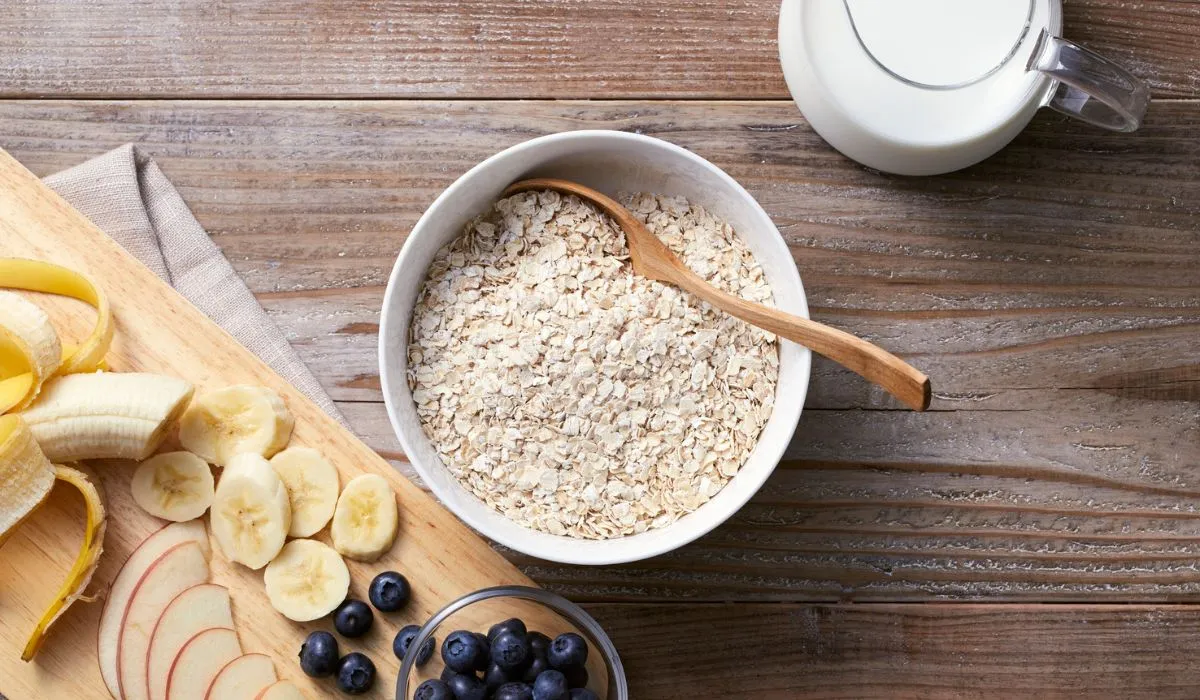
Not every bowl of oatmeal is created equal, and honestly, this is where a lot of the benefit quietly disappears. Those instant, heavily flavored packets are often loaded with added sugar, which cancels out the very blood-sugar advantage oats are known for. You’re much better off with plain rolled or steel-cut oats that you dress up yourself — that way, you decide what actually goes in the bowl, not a food company.
It’s also worth knowing that oats are naturally gluten-free, but cross-contamination during processing happens more often than people realize. If you’re dealing with celiac disease or a gluten sensitivity, look for oats labeled certified gluten-free specifically.
And don’t overdo the portion. A cup of cooked oatmeal is plenty — piling on more than that, especially if your body isn’t used to that much fiber at once, can leave you bloated and uncomfortable instead of feeling good.
Making Your Oatmeal Work a Little Harder for You
A spoonful of ground flaxseed or chia seeds stirred in gives you a nice boost of omega-3s alongside your DHA for pregnancy needs. Nut butter adds protein and healthy fat, which helps the meal actually hold you over until lunch instead of leaving you hungry by 10. Craving something sweet? Reach for fresh berries instead of syrup or honey — you get the sweetness without the sugar crash. And if hot oatmeal has just never been your thing, overnight oats made with milk or a fortified plant milk give you the same nutrition served cold, no stovetop required.
One thing worth avoiding: treating oatmeal like it can single-handedly cover your nutritional bases for the day. It’s a strong start, not the whole meal. Pair it with some protein, fruit, or healthy fat and let it do its part alongside everything else on your plate.
Frequently Asked Questions
Is it safe to eat oatmeal every day during pregnancy?
For most women, yes. Daily oatmeal is a safe, reliable source of fiber and iron throughout pregnancy.
Can oatmeal help with pregnancy constipation?
It really can. The soluble fiber softens stool and keeps things moving, which is exactly why it’s recommended so often for pregnancy-related constipation.
Does oatmeal help with morning sickness?
Some women find a plain, mild bowl of oatmeal easier to stomach than a heavier breakfast during early pregnancy nausea — though morning sickness affects everyone a little differently.
Is instant oatmeal as healthy as regular oats during pregnancy?
Not always. A lot of instant varieties are packed with added sugar. You’re better off with plain rolled or steel-cut oats that you sweeten yourself.
Can oatmeal replace my prenatal vitamin?
No, and it was never meant to. Oatmeal supports your diet with fiber, iron, and a little folate, but it can’t provide the full range of nutrients — like the higher-dose folic acid or DHA — that your prenatal vitamin is there for.
 Emma Gill