

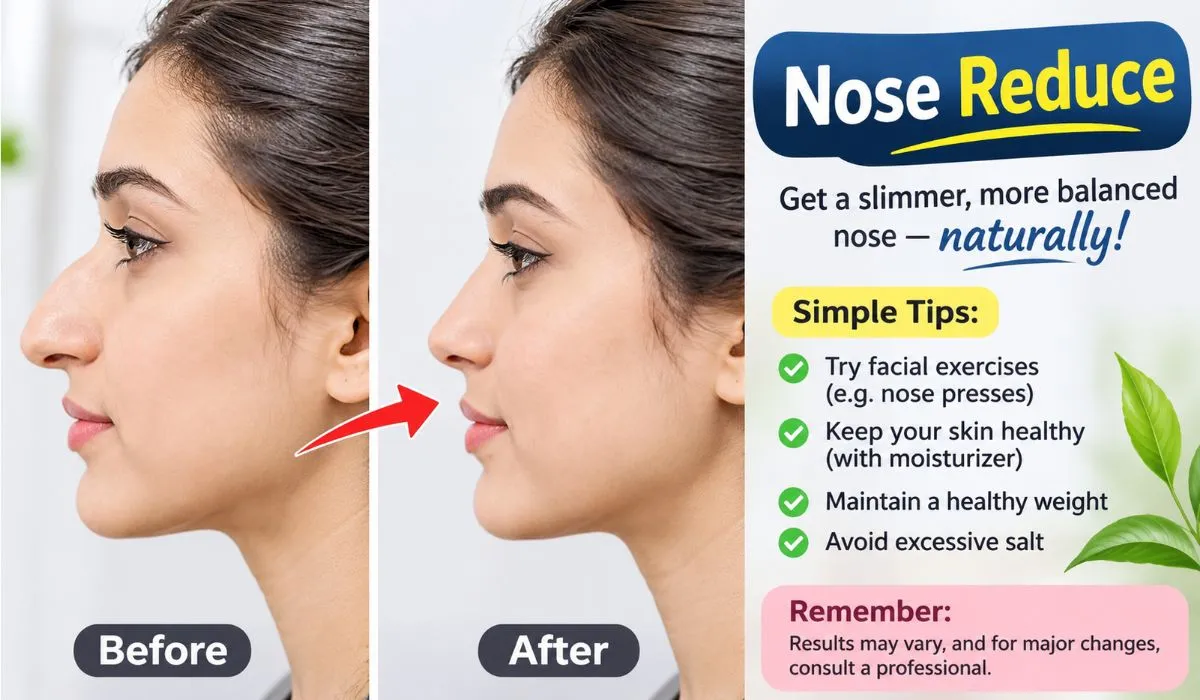
You catch yourself in the bathroom mirror at 7 a.m. and your nose looks a little wider than yesterday. It’s also blocked. You’ve blown it four times and nothing came out. Sound familiar? You’re not imagining it.
Table of Contents
To reduce a swollen nose in pregnancy, use saline spray, run a humidifier, sleep with your head raised, and drink plenty of water. All four are generally considered safe. The swelling comes from pregnancy hormones and extra blood volume, and it usually fades after delivery.
Why your nose swells when you’re pregnant
Your body makes more blood during pregnancy, and the tiny vessels inside your nose get crowded. Estrogen and progesterone loosen and swell the lining too. Doctors call the result pregnancy rhinitis. It’s stuffiness with no cold or allergy behind it. According to the NIH, it can start at any point, and it tends to go away within a couple of weeks after the baby arrives.
A lot of moms say their nose looks bigger, and some insist it’s true. Mild facial puffiness is common in maternal health, so your nose can look rounder for a while. It’s temporary. It’s not a permanent change.
What actually helps
Start with the boring stuff, because it works best.
Saline nasal spray is the one most moms swear by. It’s just salt water, so you can use it as often as you need. A rinse is stronger, but be careful with it. If you use a neti pot, fill it with distilled or boiled-and-cooled water, never straight from the tap. The CDC warns that untreated tap water can carry germs that aren’t safe to put in your nose.
At night, stack an extra pillow or two so your head sits higher than your chest. Gravity does a bit of the work for you. A cool-mist humidifier in the bedroom helps too, as long as you clean it every few days.
A warm shower is nice at any hour. Breathing in the steam loosens things up fast. Some women like a warm washcloth over the nose and cheeks for a few minutes. And a drugstore nasal strip is worth a try. It opens the nostrils from the outside and has no medicine in it.
Water matters more than you’d think. When you’re dried out, mucus gets thick and sticky. Sipping through the day keeps things moving.
Gentle walks can help as well. Light exercise tends to open the nasal passages for a while, and it’s good for the rest of your pregnancy too.
Food plays a small part. A balanced prenatal nutrition routine and your prenatal vitamins keep your body well supplied, but no vitamin is going to shrink a swollen nose. Don’t let a label promise that.
Common mistakes
- Taking a decongestant pill without asking. ACOG advises talking to your doctor first, especially in the first trimester.
- Overusing medicated sprays like oxymetazoline. The congestion can bounce back worse.
- Using tap water in a neti pot.
- Ignoring a nose that stays blocked for weeks. It’s worth mentioning at your next visit.
When to call your doctor
Most of the time this is just annoying. But call if you have a fever, green or yellow mucus with face pain, heavy or frequent nosebleeds, or trouble breathing through your nose that wakes you up all night. And if your face swells suddenly, especially with a bad headache or blurry vision, get checked quickly. That can point to high blood pressure, and it shouldn’t wait.
FAQs
Does pregnancy change your nose size?
Not permanently. Swelling can make it look wider for a while, and it goes back to normal after delivery.
Is saline spray safe while pregnant?
Yes. It’s plain salt water, and doctors commonly suggest it.
How long does pregnancy rhinitis last?
It can last through most of the pregnancy, but it usually clears up within about two weeks after birth.
Can I take allergy medicine for a stuffy nose?
Some are okay, some aren’t. Check with your doctor or pharmacist before you take anything.