

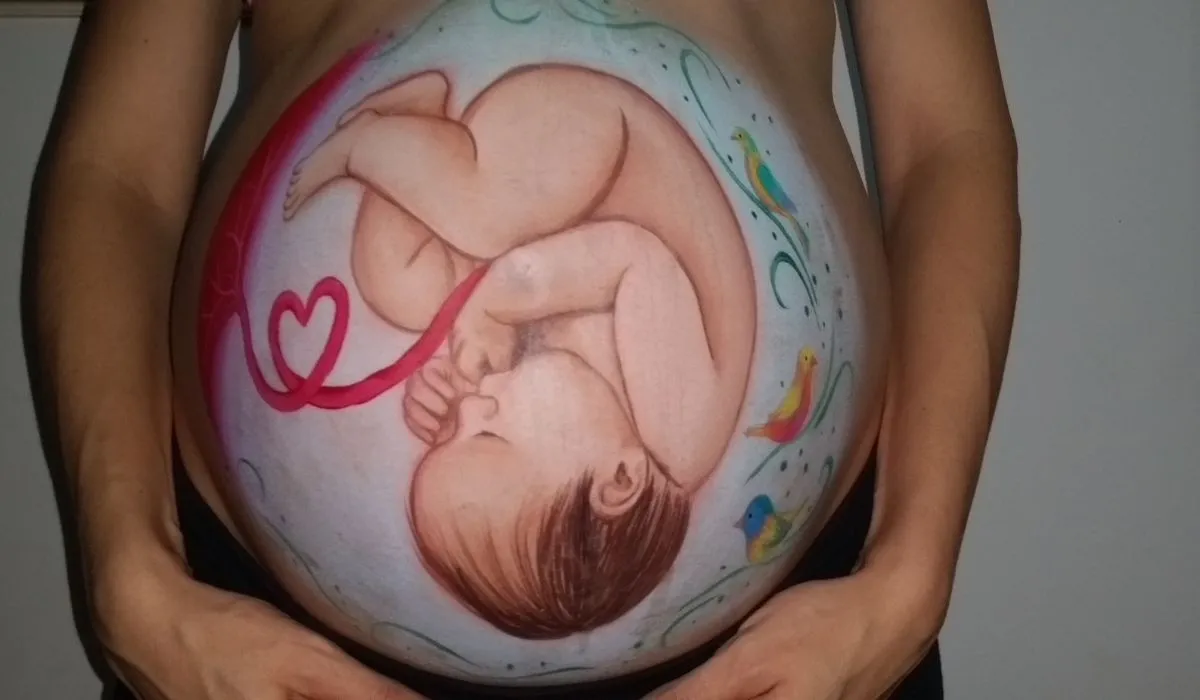
If your baby’s movements suddenly slow down, change pattern, or stop altogether in the third trimester, that’s the clearest sign of possible fetal distress — and it means you should call your doctor or head to labor and delivery right away, not wait it out. Other warning signs include vaginal bleeding, severe or constant abdominal pain, a sudden gush of fluid, a bad headache with vision changes, and swelling that comes on fast. None of these are things to sit with overnight. They’re things to act on.
The third trimester is when most people start paying close attention to how their baby moves and feels, and for good reason — this is the stretch where your baby is doing the last of its growing, and where problems like reduced oxygen or placental issues tend to show up if they’re going to. Knowing what’s normal and what isn’t can genuinely make the difference in getting help fast.
Table of Contents
What “Fetal Distress” Actually Means
Doctors don’t love the term “fetal distress” anymore — it’s a bit vague — but it’s still what most people search for, so let’s use it plainly. It refers to signs that your baby isn’t getting enough oxygen or isn’t tolerating the environment inside the uterus well. This can happen because of issues with the placenta, the umbilical cord, your blood pressure, or infection. The third trimester is when it’s most likely to be picked up, because your baby is bigger, more active, and easier to monitor.
The Signs Worth Watching For
A change in fetal movement. This is the big one. Every baby has its own pattern, and by the third trimester most people know theirs pretty well. A noticeable drop in movement, or movement that feels different — weaker, less frequent, more jerky — is the single most common reason people are told to come in for monitoring. Many OBs recommend a simple kick count: lie on your side, and see how long it takes to feel ten movements. If it’s taking much longer than usual, or you’re not getting there within two hours, call your provider.
Vaginal bleeding. Spotting can happen for benign reasons, but any real bleeding in the third trimester needs to be checked. It can point to placental issues like placental abruption, which needs urgent care.
Severe or constant abdominal pain. Occasional tightening (Braxton Hicks) is normal. Pain that’s sharp, constant, or doesn’t ease up is not.
Sudden swelling, bad headaches, or vision changes. Rapid swelling in your hands, face, or feet, along with a headache that won’t quit or blurry vision, can be signs of preeclampsia — a condition that affects both maternal health and the baby’s oxygen supply.
A sudden gush or steady trickle of fluid. This could mean your water has broken, which changes the infection risk for your baby the longer it goes unaddressed.
Contractions before 37 weeks. Regular, timed contractions before you’re full term could be preterm labor, and your baby’s readiness matters here.
What to Do If You Notice Any of These
Don’t wait to see if it passes. Call your OB, midwife, or labor and delivery unit and describe exactly what you’re feeling — timing, intensity, what’s different. They may ask you to come in for a non-stress test or ultrasound, which are quick, painless ways to check your baby’s heart rate and movement. Trust that instinct that something feels off; providers hear this concern constantly and would much rather check and find nothing than have you stay home with a real problem.
Good prenatal nutrition — enough iron, DHA, and folic acid — supports healthy placental function throughout the third trimester, though it doesn’t replace monitoring for these warning signs.
Common Mistakes to Avoid
A few things people get wrong here: assuming reduced movement means the baby is just “sleeping more” without doing a kick count to check, waiting until morning instead of calling at night, and dismissing swelling as normal pregnancy puffiness without checking blood pressure. When in doubt, it costs nothing to call.
FAQ
How many kicks should I feel in an hour during the third trimester?
There’s no strict universal number, but a common guideline is ten movements within two hours. If that’s taking noticeably longer than your baby’s usual pattern, contact your provider.
Can stress cause fetal distress?
Ongoing high stress can affect pregnancy outcomes, but it isn’t a direct, immediate cause of fetal distress the way reduced oxygen or a placental problem is. Still, managing stress is part of good maternal health.
Is it normal for baby’s movements to slow down near the due date?
Movements may feel different as your baby runs out of room, but they shouldn’t become significantly less frequent. Any real drop-off should still be checked.
What’s the difference between Braxton Hicks and real labor pain in the third trimester?
Braxton Hicks are usually irregular and ease with rest or position changes. Real contractions tend to be regular, intensify over time, and don’t go away when you move or rest.
Can dehydration affect fetal movement?
Yes, mild dehydration can sometimes make movements feel less noticeable. Try drinking water and lying down before doing a kick count, but still call your provider if reduced movement continues.