
You’ve seen barley powder on a wellness list, maybe next to wheatgrass, and now you’re wondering if it belongs in your pregnancy diet — or if it’s another “superfood” claim that doesn’t hold up. Here’s what the evidence actually shows.
Is Barley Safe for Pregnant Women?
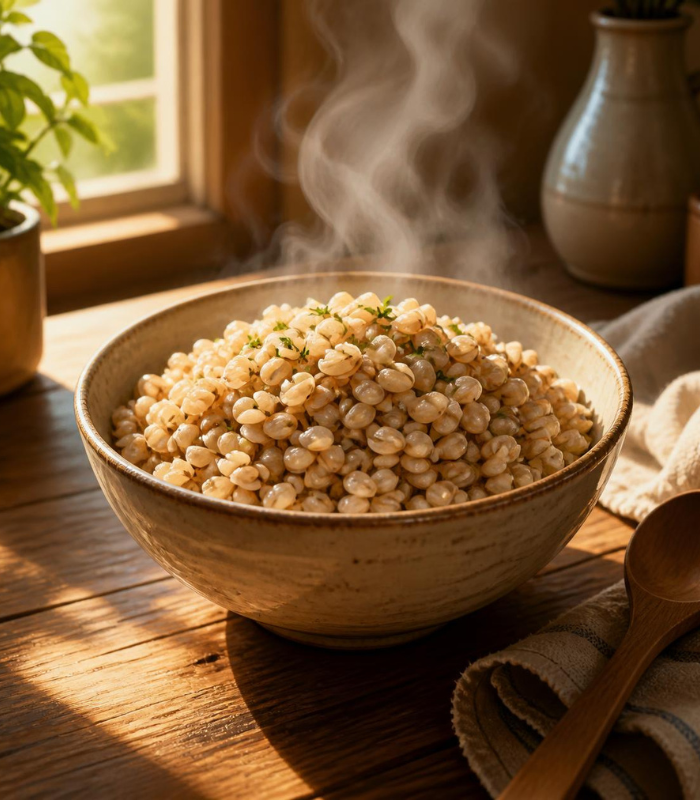
Yes — cooked, properly processed barley is considered a safe food during pregnancy by major food-safety authorities, and that includes barley flour, pearled barley, and most commercial barley powders made from the mature grain. The one exception is raw barley sprouts, which the FDA and March of Dimes advise against because sprout seeds have been linked to repeated bacterial outbreaks. So the short answer to “is barley safe for pregnant women” is: the grain itself, yes; raw sprouts, no.
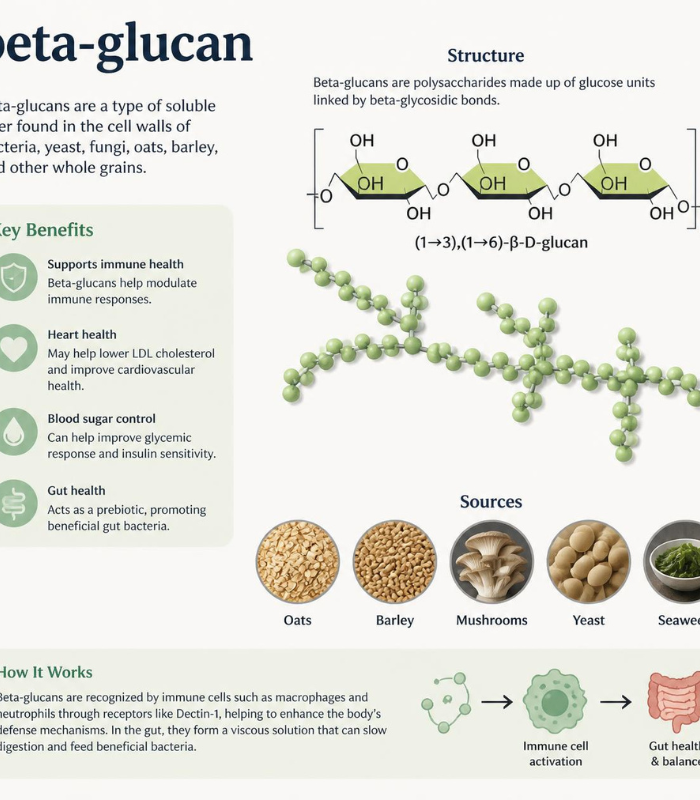
Barley and pregnancy pair well nutritionally, too. Barley is roughly 17% dietary fiber, much of it beta-glucan, a soluble fiber that supports digestion and steady blood sugar — genuinely useful during a stage when constipation and blood-sugar swings are common complaints.
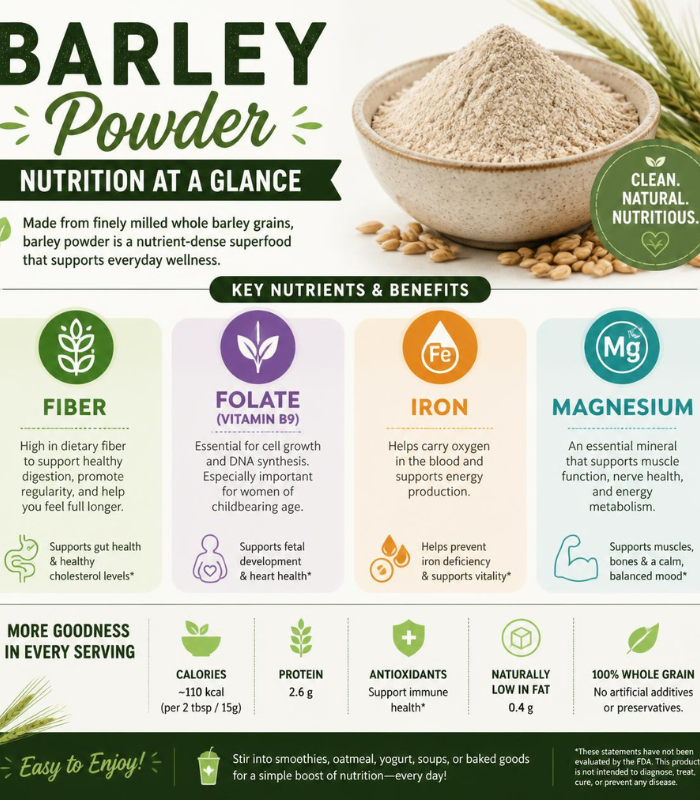
Barley Powder Nutrition at a Glance
| Nutrient (1 cup cooked, pearled barley) | Approximate amount |
|---|---|
| Fiber | ~6 g |
| Folate | ~25 mcg |
| Iron | ~2 mg |
| Magnesium | ~35 mg |
Folate here is modest — pregnant women need 600 mcg/day — so barley for pregnant readers should be treated as a fiber and mineral contributor alongside a prenatal vitamin and folate-rich foods, not a folate source on its own.
Barley Tea During Pregnancy
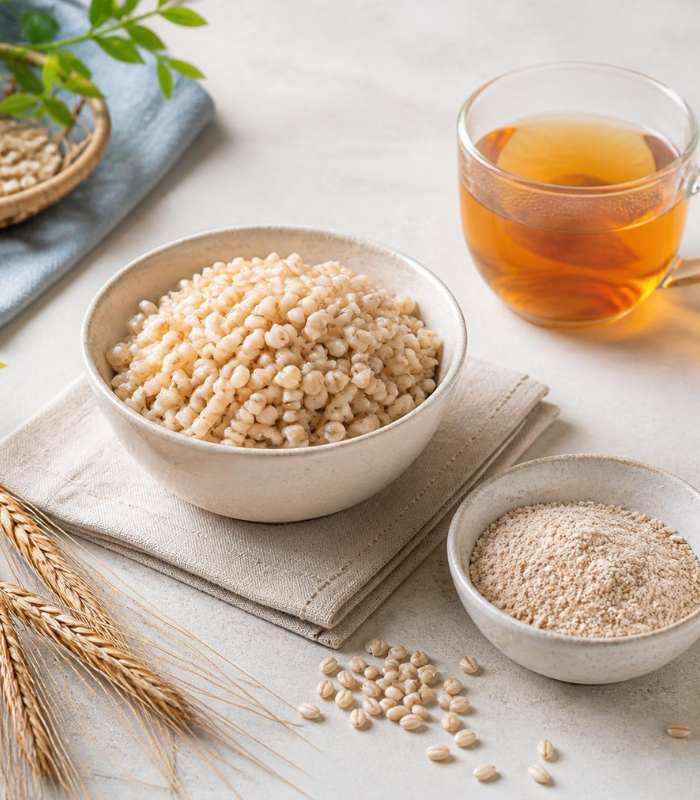
Roasted barley tea (also called mugicha or boricha) is different from raw barley powder: the grain is toasted, then steeped, and the drink is naturally caffeine-free. This is a big part of why roasted barley tea in pregnancy is a popular swap for coffee — it delivers a warm, toasty drink without the caffeine limit (200 mg/day) pregnant women are advised to watch. Barley tea for pregnant women in moderate amounts — a cup or two a day — is generally considered a reasonable, low-risk choice. As with any new drink, introduce it gradually and check with your provider if you have gluten sensitivity, since barley contains gluten.
Wheatgrass During Pregnancy: Not the Same Question
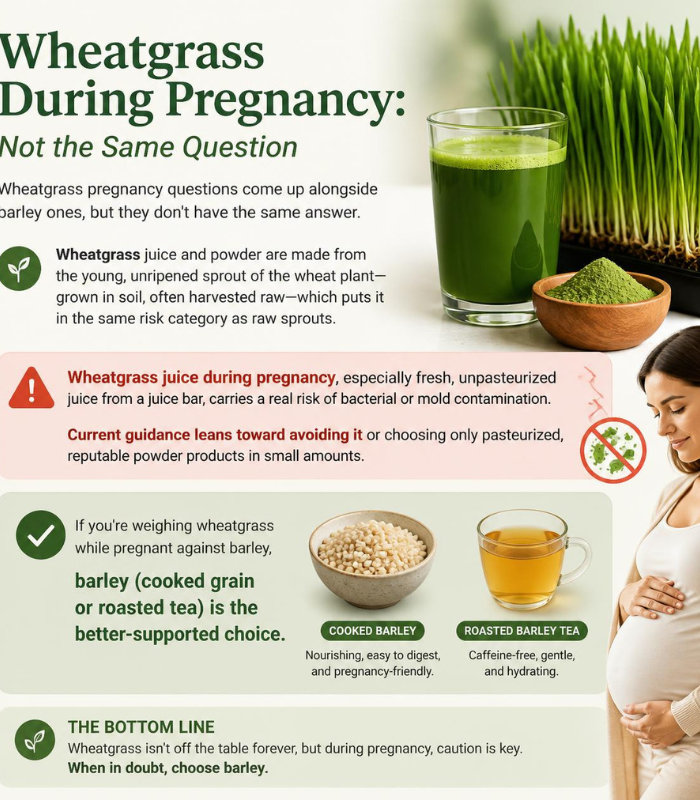
Wheatgrass pregnancy questions come up alongside barley ones, but they don’t have the same answer. Wheatgrass juice and powder are made from the young, unripened sprout of the wheat plant — grown in soil, often harvested raw — which puts it in the same risk category as raw sprouts. Wheatgrass juice during pregnancy, especially fresh, unpasteurized juice from a juice bar, carries a real risk of bacterial or mold contamination, and current guidance leans toward avoiding it or choosing only pasteurized, reputable powder products in small amounts. If you’re weighing wheatgrass while pregnant against barley, barley (cooked grain or roasted tea) is the better-supported choice.
The “Wheat and Barley” Pregnancy Test — Just Folklore
You may have come across the ancient wheat and barley pregnancy test, where urine was poured onto seeds to see which sprouted first. It’s an interesting historical curiosity, but it has no diagnostic accuracy and isn’t a substitute for a modern urine or blood pregnancy test.
Barley Benefits for Breastfeeding
Barley shows up often in postpartum conversations too. Barley benefits for breastfeeding are mostly tied to its fiber and mineral content supporting recovery and digestion, and some nursing parents include barley water as a comforting, hydrating habit — though there’s no strong clinical evidence it directly boosts milk supply.
Practical Takeaway
Choose cooked barley, barley flour, or roasted barley tea over raw barley sprouts or raw wheatgrass. Keep barley tea to a cup or two daily, mention any new addition to your prenatal care provider, and lean on your prenatal vitamin — not barley — for your folate target.
 Alona Smith