
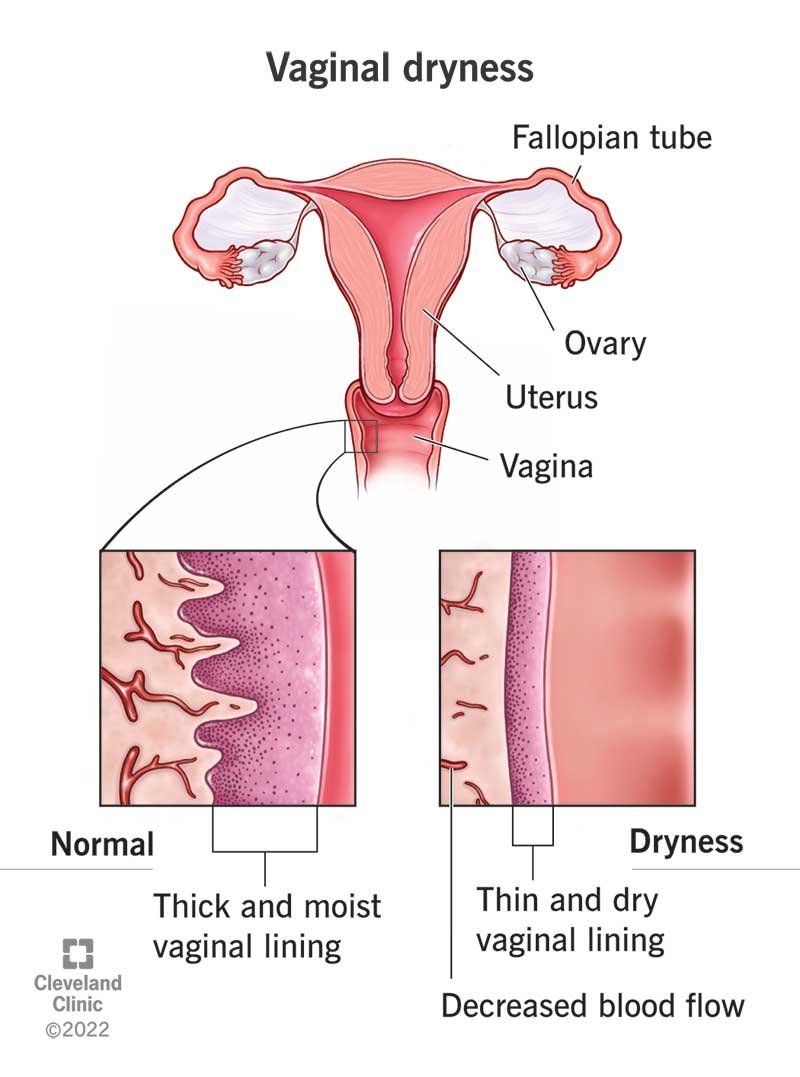
It can happen — but honestly, it’s not one you can lean on. Most people expect early pregnancy to bring more discharge, not less, so when the opposite happens it throws people off, especially if you’re already obsessing over every little body signal while trying to conceive.
Table of Contents
The Discharge Myth (and Why Dryness Still Fits)
Somewhere along the line, “pregnancy = wetter” became the default assumption. And for a lot of people, it’s true — rising estrogen usually increases blood flow and discharge (the medical term is leukorrhea) within the first few weeks. But bodies don’t all follow the same script. Progesterone climbs fast in early pregnancy too, and for some people that shows up as dryness before estrogen’s effects take over.
So dryness isn’t some contradiction. It’s just the less common way this particular hormone shuffle plays out.
What’s Usually Behind It
A handful of things tend to overlap here:
- The progesterone surge — it rises quickly in week one or two after conception, sometimes ahead of estrogen’s usual moisturizing effect.
- Dehydration — pregnancy quietly raises your fluid needs, and vaginal tissue is one of the first places that shows.
- Morning sickness — if you’re not keeping fluids down, dryness tends to follow.
- Stress — the mental load of “wait, am I actually pregnant?” can mess with your body in small, physical ways too.
Why You Can’t Really Use It as a Test
Here’s the annoying part: vaginal dryness has the exact same triggers whether or not you’re pregnant. Right before your period, estrogen dips and causes almost identical dryness. So do antihistamines, some antidepressants, hormonal birth control, and — this one catches people off guard — scented soap or douching.
Because the overlap is so complete, dryness alone can’t tell you “pregnant” from “period’s coming.” A test, taken after a missed period, is really the only thing that settles it.
Symptoms That Actually Mean More
If you’re trying to piece together whether you’re pregnant, these carry more weight:
| Symptom | Typically starts |
|---|---|
| Missed period | ~4 weeks |
| Breast tenderness or swelling | 1–2 weeks after conception |
| Fatigue | As early as 1 week after conception |
| Nausea (“morning sickness”) | 4–6 weeks |
| Increased urination | 4–6 weeks |
When It’s Worth a Call
Everyday dryness usually isn’t a medical issue. But check in with a doctor if it comes with itching, burning, a strong odor, pain when peeing, unusual discharge texture, or spotting. Those point toward something like an infection — unrelated to pregnancy hormones — and it’s worth ruling out regardless of what your pregnancy test says.
So, What’s the Takeaway?
Dryness can absolutely show up in early pregnancy, driven by the same hormonal churn that happens every single cycle. Which means it’s not something you should read too much into on its own. If pregnancy is genuinely on your mind, skip the symptom detective work and just take a test once your period is late — it’ll tell you far more than your body will.
Quick Answers
Can dryness happen right after conception, before a missed period?
Technically, yes — progesterone starts climbing within days of implantation. But it’s uncommon, and easy to mistake for normal pre-period dryness.
Does dryness mean something’s wrong with the pregnancy?
No. There’s no link between dryness on its own and pregnancy complications. It’s a hormone-and-hydration thing, not a warning sign.
What actually helps?
Drink more water than you think you need, use a water-based lubricant if things feel uncomfortable, and switch to unscented, gentle soap down there.
 Alona Smith