
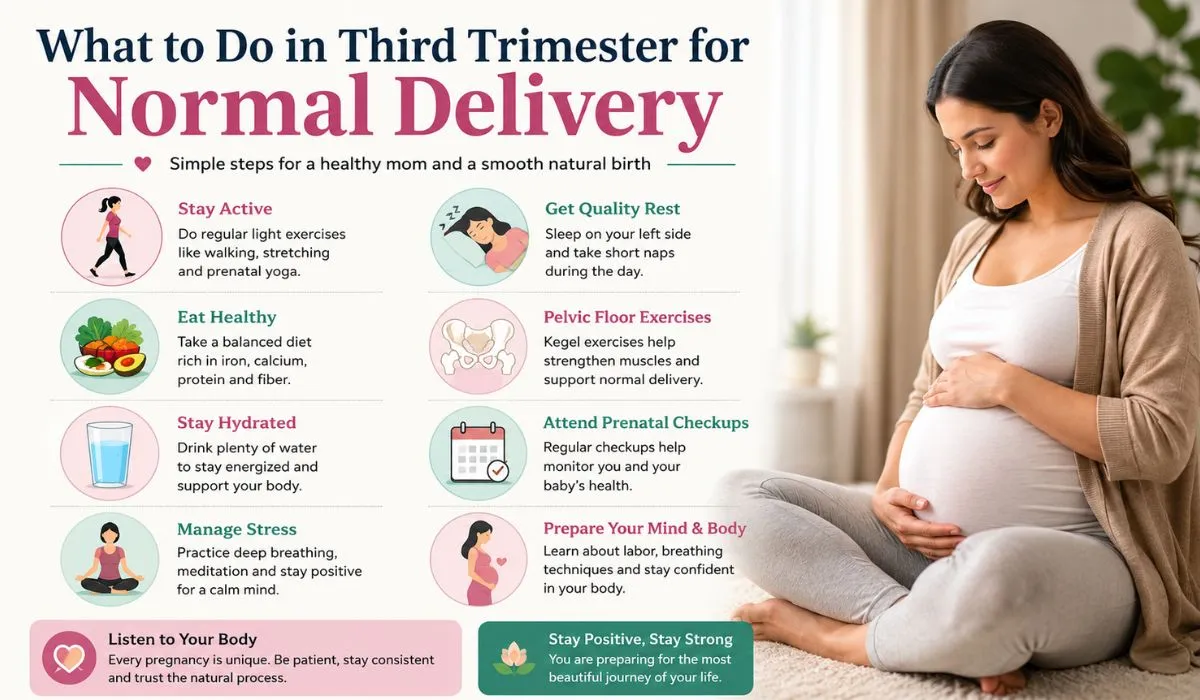
You’re in the home stretch now, and if you’re anything like most moms-to-be at this point, you’re probably equal parts excited and a little nervous about what’s coming. Here’s the good news: there’s genuinely a lot you can do right now to set yourself up for a smooth, normal delivery. It comes down to a few simple habits, moving your body the right way, breathing with intention, eating foods that build stamina, and showing up for your check-ups, all working quietly together behind the scenes. Let’s talk through what that actually looks like in real life, not just on paper.
Why These Last Few Weeks Matter So Much
Somewhere between week 28 and your due date, your baby is packing on most of their weight, your pelvis is slowly loosening to make room for birth, and your body is quietly rehearsing for the big day through those Braxton Hicks tightenings you might already be noticing. It’s easy to feel like the third trimester is just about waiting it out, but honestly, this window is one of the most important stretches of your whole pregnancy. How you move, what you eat, even how well you’re sleeping, all of it feeds into how labor eventually unfolds. According to ACOG, women who stay active through a healthy pregnancy tend to have shorter labors and need fewer interventions. So if your mom or grandmother ever told you to “keep moving,” turns out she was onto something real.
Move Your Body, Gently and Often
Forget the idea that you need to be doing anything intense. What actually helps here is small, consistent movement, day after day. A simple 20 to 30 minute walk keeps your baby well-positioned and slowly builds the stamina you’ll lean on during labor. If yoga’s your thing, prenatal yoga is wonderful for this stage too, it loosens your hips and pelvis while teaching you the kind of breathing you’ll instinctively reach for once contractions start. Even something as basic as a supported squat, holding onto a chair or a wall for balance, can strengthen your thighs and gently open the pelvic outlet, which is, quite literally, the path your baby will take. And if you’re lucky enough to have pool access, swimming feels like a small mercy on swollen joints while still keeping you active.
Honestly, the consistency matters far more than the intensity. A gentle ten-minute walk every single day will do more for you than one exhausting workout you push through once a week.
Let Your Breath Do Some of the Work
Nobody’s pretending labor pain isn’t real, it is. But how you breathe through it can genuinely change the experience. Slow, deep belly breathing calms your nervous system and keeps a steady stream of oxygen flowing to your baby. And here’s the thing, if you practice this now, before you’re actually in labor, it becomes something your body just knows how to do when the moment arrives, instead of something you’re trying to figure out mid-contraction. Pairing this with pelvic floor exercises like Kegels helps too, strengthening the muscles that support delivery and setting you up for an easier recovery afterward.
Eat Like You’re Training for Something, Because You Are
Think of your third trimester diet as fuel for the marathon ahead, not just food for your baby’s growth. Iron-rich foods like spinach, lentils, and lean meat help you avoid the kind of fatigue that makes labor feel so much harder than it needs to. Magnesium-rich foods, nuts, seeds, bananas, can ease muscle cramps and may even soften the intensity of contractions. And then there are dates, which deserve their own little mention: several studies suggest that eating dates in these final weeks may support cervical ripening and even shorten labor. Don’t let your prenatal vitamins slip either, DHA for pregnancy and continued folic acid support still matter right up until delivery day, not just in the early months.
Water matters just as much as food here too. Dehydration has a sneaky way of triggering false contractions and leaving you feeling wiped out before real labor has even started.
Your Mind Needs Preparing Too, Not Just Your Body
Fear has a physical effect on labor, it tenses your muscles and can genuinely slow things down. This is where prenatal education or birth preparation classes really earn their place, or honestly, even just an open, honest conversation with your doctor about what to actually expect. A lot of hospitals and clinics run these classes specifically because they know how much calmer and more confident first-time moms feel walking in with some idea of what’s ahead, instead of dreading the unknown.
A Few Mistakes Worth Steering Clear Of
It’s tempting to skip that last round of prenatal appointments when you’re tired and everything feels routine by now, but please don’t. The same goes for pushing yourself to “get everything done” right up to your due date, your body needs rest more than a spotless to-do list at this point. Ignoring changes like reduced fetal movement, sudden swelling, or persistent headaches is another one to watch for, these are your body’s way of asking for attention, not things to brush off. And stopping your supplements early because delivery feels close? Your body still needs that support right through to the end.
Small Things That Help in the Final Weeks
A few habits worth folding into your routine now: sleeping on your left side to keep blood flowing well to your baby, having your hospital bag packed by around week 36 so it’s one less thing to think about later, keeping up with light movement unless your doctor’s told you otherwise, staying tuned in to your baby’s daily movements, and asking your doctor around week 32 to 34 about your baby’s position. None of these are big, dramatic changes, but together they add up to feeling genuinely more prepared when the time comes.
FAQs
Can walking really help induce normal delivery?
Not exactly induce it, but it helps in a real way, walking encourages your baby into a head-down position and keeps your pelvic muscles flexible, both of which make vaginal delivery smoother.
Is it safe to do squats in the third trimester?
For most healthy pregnancies, yes. Squats strengthen your legs and open up your pelvis nicely, just check in with your doctor first, especially if you’re dealing with any pregnancy complications.
What foods should I avoid in the third trimester?
Steer clear of high-mercury fish, unpasteurized dairy, too much caffeine, and heavily processed foods. Lean instead toward whole foods rich in iron, magnesium, and protein.
Does eating dates actually help with labor?
Some research points that way, dates in the last four weeks may support cervical dilation and possibly shorten labor, though it really does vary from person to person.
When should I start birth preparation classes?
Most experts suggest starting somewhere between week 28 and 32, that way you’ve got time to actually practice the breathing and relaxation techniques before your due date arrives.
 Emma Gill